





Table of Contents
ToggleA cluttered room can feel like a chaotic jungle, where the only thing thriving is the dust bunnies. It’s easy to let things pile up, but a disorganized space can zap motivation and creativity faster than a missing sock in the laundry. Imagine stepping into a room that not only looks fantastic but also feels like a sanctuary.
Benefits Of Organizing Your Room
An organized room fosters a more productive and calm atmosphere. Maintaining cleanliness contributes to enhanced well-being and focus.
Improved Mental Clarity
Decluttering leads to clearer thinking. It helps reduce distractions, allowing for greater concentration. When space becomes tidy, individuals experience less stress and anxiety. A serene environment promotes mindfulness and creativity. People find it easier to articulate ideas and solve problems when surrounded by orderliness. Clutter creates mental chaos, so organizing spaces transforms thought processes positively.
Increased Productivity
Productivity thrives in an organized space. A well-ordered room enables quick access to necessary items, saving time. When everything has its place, individuals waste less energy searching for lost belongings. An inviting room also serves as a motivational factor, encouraging focused work. Research indicates that organized environments lead to better task management. Achieving goals becomes simpler when distractions diminish through effective organization.
Essential Steps For Organizing Your Room
Organizing a room involves a few essential steps that lead to an efficient and calming environment. Following a systematic approach promotes productivity and clarity.
Decluttering Your Space
Decluttering starts by evaluating every item in the room. Identify what’s essential and what’s not. Toss out broken items and donate items not used in the past six months. Creating piles can help, such as keep, donate, and trash. Address surfaces first since they collect clutter easily. Once cleared, evaluate the remaining items for necessity. Regular decluttering enhances the overall organization and keeps distractions at bay.
Categorizing Items
Categorizing makes it easier to locate items quickly. Start by grouping similar items, such as books, clothes, and stationery. Label boxes or containers for specific categories. For instance, dedicate a box for seasonal clothing and another for books. This structured approach allows for efficient storage and access. Encourage consistency by maintaining these categories as items are added or removed. A well-categorized space promotes a sense of order that enhances tranquility.
Tips And Tricks For Effective Organization
Effective organization transforms a cluttered space into a functional haven. Implementing practical strategies can lead to lasting improvements in room organization.
Utilizing Storage Solutions
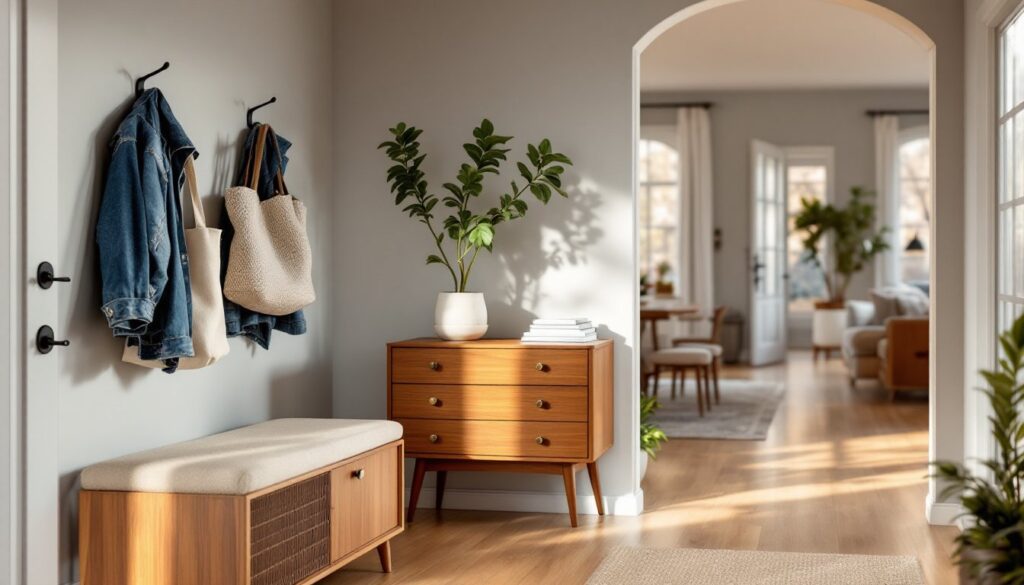
Maximize vertical space with shelves, which provide ample room for books and decorative items. Use clear bins for easy visibility of stored items; color-coded labels enhance quick identification. Invest in multifunctional furniture, such as ottomans with storage, to combine seating and storage efficiently. Drawer dividers create designated areas for small items like stationery or accessories, making them easier to find. Hang hooks on walls for frequently used items like bags or jackets, promoting an organized appearance throughout the room.
Maintaining Organization Over Time
Establish a regular cleaning schedule to prevent clutter from accumulating. Setting aside 10 minutes daily encourages individuals to tidy up and assess their belongings. Adopt the one-in, one-out rule; each new item requires removing an existing one. Create checklists for seasonal organizing; revisiting this task ensures every item remains in its designated place. Encourage mindfulness about purchases to reduce unnecessary items, which aids long-term organization. Keeping surfaces clear fosters a sense of calm, emphasizing the importance of maintaining an orderly environment.
Common Mistakes To Avoid
Organizing a room effectively involves avoiding several common mistakes. Understanding these pitfalls can enhance the organization process.
Overloading Storage
Maximizing storage space can become counterproductive if items pile up beyond capacity. Avoid cramming shelves or bins with too many items, as it reduces accessibility and creates chaos. Instead, prioritize quality over quantity when determining what to keep. Declutter frequently to ensure storage solutions remain effective and functional. Using clear containers can assist in monitoring contents, making retrieval easier, and preventing overloading. Implementing a one-in, one-out rule can help maintain balance, ensuring that new items don’t overwhelm existing storage.
Neglecting Space
Ignoring specific areas of a room can lead to inefficiency and a cluttered environment. Not focusing on corners, under furniture, or the top of shelves often allows dust and clutter to accumulate. Every space deserves attention, so utilize all areas effectively. Floating shelves or wall-mounted racks can transform neglected spaces into valuable storage. Reviewing overlooked spots regularly can maintain a tidy room. Incorporating a cleaning schedule can ensure consistent attention to all areas, preventing reversion to disarray.
Creating an organized room is more than just tidying up; it’s about fostering a space that enhances well-being and productivity. By implementing the strategies outlined in the article, individuals can transform their environment into a serene and efficient haven. Regular decluttering and mindful organization not only reduce stress but also encourage creativity and focus.
A well-kept room serves as a reflection of one’s mindset and priorities. By prioritizing organization, individuals can enjoy the benefits of improved mental clarity and a more inviting atmosphere. Ultimately, the journey to a clutter-free space is an ongoing process that leads to a more balanced and fulfilling life.