

Table of Contents
ToggleTween years bring big changes, and their bedrooms need to keep up. Gone are the cartoon bedsheets and toy boxes: in come assignments zones, friend hangouts, and a suddenly strong desire for “aesthetic” everything. Furnishing a tween bedroom means threading a needle: the pieces need to be age-appropriate but not babyish, practical for schoolwork and hobbies, and flexible enough to evolve as their tastes change faster than you can say “growth spurt.” This guide walks through the essential furniture every tween room needs, plus strategies for style, space-saving, and budget.
Key Takeaways
- Tween bedroom furniture should prioritize durability, adjustability, and mature styling—choosing twin XL or full beds, modular storage, and quality construction that will last through high school growth and use.
- Storage solutions like cube organizers, tall bookcases with wall anchors, and under-bed containers are essential because tweens accumulate items quickly and benefit from organized, accessible spaces.
- Neutral furniture styles such as modern minimalist or mid-century modern provide a flexible foundation that tweens can personalize with easily changeable textiles, posters, and decor as their tastes evolve.
- Space-saving solutions including loft beds with desks underneath, fold-down wall desks, and corner desk configurations maximize smaller rooms without sacrificing functionality or style.
- Budget-conscious furnishing strategies—buying beds and desks new while shopping secondhand for other pieces, DIY-ing simple projects, and capitalizing on end-of-season sales—can reduce renovation costs significantly.
- Involving your tween in design decisions while steering them toward timeless pieces ensures their room reflects their personality without locking in trendy styles that may feel dated within a few years.
What Makes Tween Bedroom Furniture Different?
Tween furniture sits in a unique sweet spot. Unlike toddler or young-kid gear, which prioritizes safety features like rounded corners and low heights, tween pieces need to handle the demands of an emerging teenager. That means:
- Full or twin XL beds instead of toddler or twin sizes. Tweens are growing fast, and a bed they’ll use through high school saves money and hassle.
- Adjustable or modular elements. A desk that raises in height, shelving that reconfigures, or a loft bed that can later drop to platform height adapts to changing needs.
- Mature styling without adult formality. Skip the bold primary colors and juvenile motifs, but don’t jump straight to corporate hotel neutrals either. Think clean lines, two-tone finishes, and accent colors they can swap out with bedding or wall art.
- Durability for active use. Tween rooms are high-traffic zones. Furniture gets leaned on, sat on, and occasionally used as an impromptu gymnastics apparatus. Solid wood, metal frames, and quality joinery matter here.
The best tween furniture doesn’t scream “kid’s room,” but it also doesn’t lock them into a single aesthetic for the next decade.
Essential Furniture Pieces Every Tween Bedroom Needs
Beds That Grow With Your Tween
A twin XL or full-size bed is the minimum starting point. Twin XL measures 38″ × 80″, five inches longer than a standard twin, and fits most college dorm rooms later, making it a smart long-term pick. Full beds (54″ × 75″) give more sleeping space but eat up floor area in smaller rooms.
Loft beds and bunk beds are popular for tweens who want a hangout zone underneath. Look for models rated for at least 250 lbs on the top bunk (many cheaper versions only handle 200 lbs and won’t last through the teen years). Metal frames tend to wobble less than pine, and solid hardwood is the gold standard if budget allows. Make sure the loft height leaves at least 33 inches of clearance between the mattress top and ceiling, any less and sitting up feels claustrophobic.
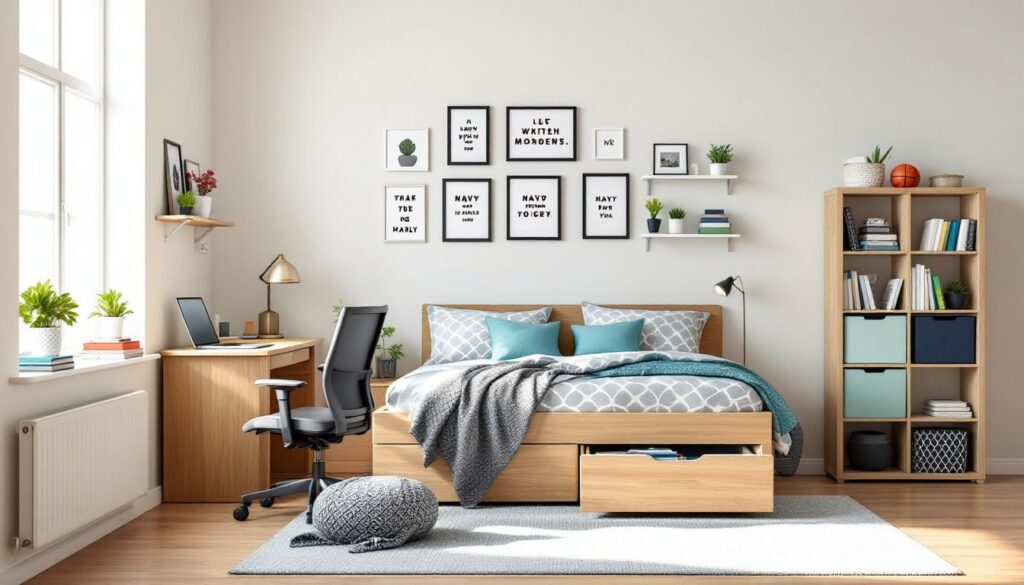
Platform beds with built-in storage work well in tight spaces. Drawer units under the mattress replace a separate dresser and keep the floor clear. When evaluating drawer glides, full-extension ball-bearing slides hold up better than cheaper epoxy-coated versions, especially when tweens inevitably overload them.
Skip trundle beds unless you regularly host sleepovers. They’re a pain to make and rarely get used once the novelty wears off.
Storage Solutions That Encourage Organization
Tweens accumulate stuff, books, sports gear, art supplies, tech accessories, and without smart storage, it piles up fast.
Cube organizers (like the IKEA KALLAX series) are workhorses. The 13″ or 15″ cube modules fit standard fabric bins and can be stacked, laid horizontally as a bench, or wall-mounted. They’re modular, so you can add units as the collection grows.
Tall bookcases (at least 60 inches high) use vertical space efficiently. Anchor them to wall studs with L-brackets, tweens climb, and even a half-loaded bookcase can tip. Use 1/4″ × 3″ lag screws into studs, not drywall anchors, for anything over four feet tall.
Under-bed storage is non-negotiable in smaller rooms. Rolling bins or drawer units reclaim dead space. Measure the clearance first: platform beds often leave only 6–8 inches, which limits you to low-profile containers.
A dresser is still useful, but it doesn’t need to be huge. A five-drawer unit (roughly 32″ wide × 18″ deep × 48″ tall) handles folded clothes without dominating the room. Dovetail joints and solid wood drawer boxes outlast particle board with stapled corners.
If closet space is tight, add a freestanding wardrobe or armoire. Look for one with both a hanging rod (set around 60 inches high for tween-height access) and adjustable shelves.
Choosing the Right Style for Your Tween’s Personality
Tweens often have strong opinions about style, and those opinions will change. The trick is picking furniture that’s neutral enough to outlast a trend cycle but flexible enough to reflect their personality.
Modern minimalist works well as a baseline. Clean-lined beds, simple dressers, and open shelving in white, gray, or natural wood tones provide a blank canvas. Tweens personalize with posters, string lights, and bedding, all easily swapped when tastes shift.
Industrial style (metal frames, distressed wood, exposed hardware) appeals to tweens who want an edgier look. It’s also durable and pairs with a range of accent colors.
Mid-century modern (tapered legs, warm wood tones, retro shapes) has staying power and doesn’t read juvenile. It’s a safe bet if you’re buying pieces that need to last through high school.
Farmhouse or rustic styles can work but tread carefully, overdoing shiplap and distressed paint can feel dated fast. Stick to simpler pieces with natural wood finishes.
Involve your tween in the decision, but steer them toward choices that won’t look embarrassing in two years. Bright accent walls and funky decor are cheaper to swap than a bubblegum-pink bedframe. Many successful room transformations start with neutral furniture and layer in personality through textiles and wall treatments.
For inspiration on maximizing desk and bed layouts, some creative IKEA-based setups show how modular components can adapt to tight spaces.
Space-Saving Furniture Ideas for Smaller Tween Bedrooms
When floor space is tight, every piece needs to earn its spot.
Loft beds with desks underneath are the classic small-room solution. The desk surface typically runs 48–60 inches wide, enough for a laptop and workspace. Make sure there’s a grounded outlet nearby, running extension cords up a loft is a fire code no-go in many jurisdictions.
Murphy beds or wall beds work if the room pulls double duty (guest room/office hybrid, for example). Modern spring mechanisms are easier to operate than older models, but they still require backing into wall studs and often need 2×6 or 2×8 blocking installed between studs for proper anchoring. This is advanced DIY: hire a handyman if you’re not comfortable with wall framing.
Fold-down desks mount to the wall and stow flat when not in use. They need to hit a stud or use heavy-duty toggle anchors rated for at least 50 lbs per anchor point. Most fold-down desks come with triangle bracket supports that lock into place, test them thoroughly before letting a tween load them up with textbooks.
Corner desks use awkward angles better than rectangular ones. An L-shaped desk (around 48″ × 48″) gives generous work surface without blocking the center of the room.
Benches with storage at the foot of the bed provide seating and hide extra bedding or off-season clothes. Build one yourself with a hinged top, 3/4-inch plywood for the box, and 1×2 poplar for trim. Line the interior with felt or fabric so contents don’t rattle.
Floating shelves keep books and decor off the floor. Use 1/2″ × 3″ lag screws into studs for shelves holding more than 10 lbs per linear foot. Tweens will overload them, plan for it.
Budget-Friendly Tips for Furnishing a Tween Bedroom
You don’t need to blow the renovation budget on a room that’ll get redecorated in four years.
Buy the bed and desk new: go secondhand for the rest. Beds and desks take the most wear and benefit from solid construction. Dressers, nightstands, and bookcases are easy to find used and refinish if needed. Check estate sales, Habitat for Humanity ReStores, and Facebook Marketplace.
DIY what you can. A simple platform bed frame is a weekend project: a box of 2×8 or 2×10 framing lumber for the perimeter, 1×4 slats spaced every 3–4 inches for mattress support, and wood glue plus 3-inch deck screws for assembly. Sand it smooth and finish with satin polyurethane or leave it raw for a minimalist look. Beginner woodworking plans walk through frame joinery and finishing techniques.
Paint or stain unfinished furniture. Unfinished pine dressers and bookcases cost 30–40% less than pre-finished versions. One quart of satin or semi-gloss latex paint (about $15–20) covers roughly 100 sq ft and gives you total color control. Lightly sand with 120-grit paper, prime with a stain-blocking primer if the wood is knotty, then apply two coats of paint.
Modular furniture grows with them. Cube organizers, stackable shelves, and add-on desk hutches let you start small and expand. Buying a 4-cube unit now and adding another later beats paying for an 8-cube unit that sits half-empty.
Shop end-of-season sales. Furniture retailers clear inventory in late winter (January–February) and late summer (August). You’ll find 20–40% markdowns on floor models and discontinued styles.
Focus on one statement piece. A unique bed frame or a colorful desk can anchor the room while the rest stays simple and budget-friendly. Let the tween pick that one splurge item, it’ll feel more like their space.