

Table of Contents
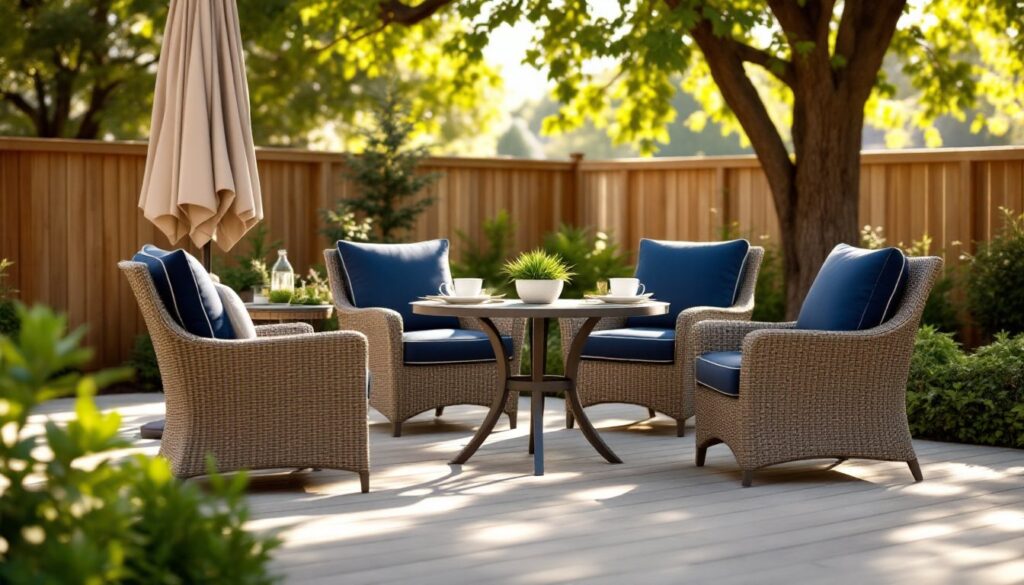
ToggleA patio furniture conversation set transforms any outdoor space into a functional gathering spot where friends and family actually want to spend time. Unlike random chairs scattered around a deck, these coordinated groupings are designed with one goal: comfortable face-to-face interaction. They typically include seating for four to six people arranged in a way that encourages conversation, often anchored by a coffee or side table. Whether you’re upgrading a bare concrete slab or replacing worn-out furniture, choosing the right conversation set involves balancing style, materials, space constraints, and how you’ll actually use the area.
Key Takeaways
- A patio furniture conversation set is a pre-coordinated group of outdoor seating designed to encourage face-to-face interaction, typically including four to seven pieces arranged to keep people within comfortable talking distance.
- Conversation sets offer instant visual cohesion, optimized spacing, cost savings compared to individual purchases, and flexible modular configurations that can be rearranged as your entertaining needs change.
- Material selection is critical: aluminum and powder-coated steel offer low maintenance, while premium hardwoods like teak and quality resin wicker provide aesthetic appeal with varying durability and cost requirements.
- Budget adequate space on your patio by measuring usable area and leaving 24 to 30 inches of clearance around the set—a typical four-piece conversation set requires roughly 10 by 10 feet of floor space.
- Maximize the lifespan of your conversation set through monthly frame cleaning, seasonal cushion care, annual hardware checks, and proper winter storage to protect against freeze-thaw cycles.
- Anchor your conversation set with a weather-resistant outdoor rug, invest in protective covers, and layer accessories gradually to create a welcoming outdoor living zone without overcrowding the space.
What Is a Patio Furniture Conversation Set?
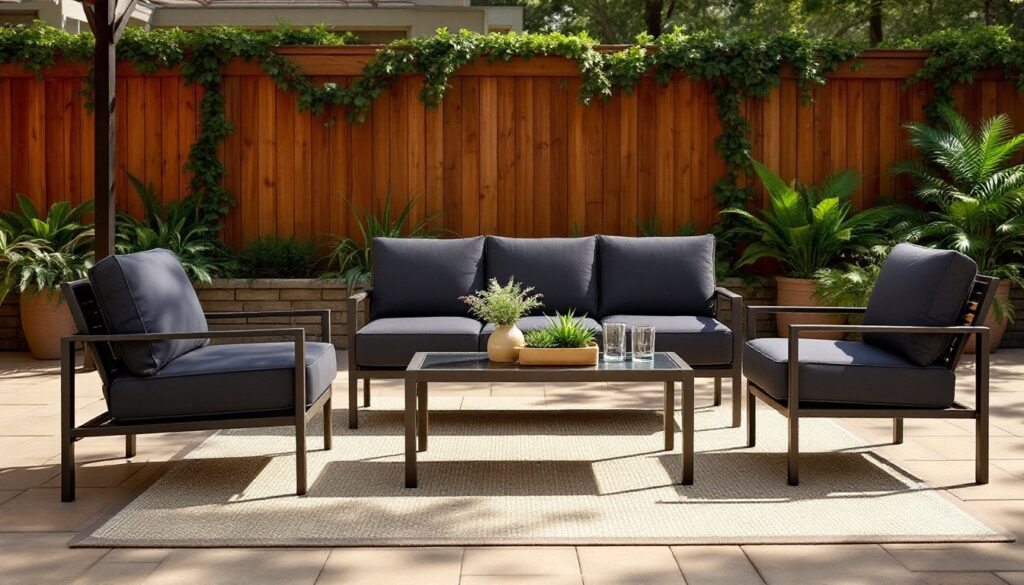
A conversation set is a pre-coordinated group of outdoor seating pieces designed to help face-to-face interaction. The typical configuration includes two or more chairs, a loveseat or small sofa, and a central coffee table or side tables, all sized and spaced to keep people within comfortable talking distance.
Unlike dining sets (which prioritize meal service) or loungers (focused on solo relaxation), conversation sets strike a middle ground. Seat heights usually range from 16 to 18 inches, similar to indoor living room furniture, making them comfortable for extended sitting without the reclined angle of a chaise.
Most sets are sold as complete packages with four to seven pieces, which simplifies purchasing and ensures visual consistency. You’ll find them in modular sectional formats, traditional groupings with matching chairs, or compact bistro-style arrangements for smaller patios. The key defining feature is the layout: pieces face each other or form a U-shape or L-shape to create an intimate zone.
Key Benefits of Choosing a Conversation Set for Your Outdoor Space
Instant cohesion. Buying a matched set eliminates guesswork. Frame finishes, cushion fabrics, and proportions are already coordinated, saving hours of comparison shopping and the risk of mismatched pieces arriving at your door.
Optimized spacing. Manufacturers design these sets with specific clearances in mind. You won’t end up with a coffee table that’s too low to reach from a deep-seat sofa or chairs spaced so far apart that conversation feels awkward.
Cost efficiency. Bundled sets almost always cost less than buying each piece individually. You’re also more likely to find package deals during seasonal sales, especially in late summer and early fall when retailers clear inventory.
Flexible configurations. Many modern conversation sets use modular pieces, armless chairs, corner units, ottomans, that can be rearranged as needs change. Host a larger gathering? Spread the pieces out. Want a cozy reading nook? Cluster them tighter.
Built for outdoor use. Unlike repurposed indoor furniture, conversation sets are engineered for UV exposure, moisture, and temperature swings. Frames resist rust or rot, cushions use quick-dry foam, and fabrics are solution-dyed to resist fading.
Popular Styles and Configurations to Consider
Traditional four-piece sets include two chairs, a loveseat, and a coffee table. This layout works well on rectangular patios or against a wall, with the loveseat anchoring the back and chairs flanking the sides.
Modular sectionals offer maximum flexibility. You might get two armless chairs, two corner pieces, and an ottoman that doubles as a footrest or extra seating. Rearrange them into an L-shape, a U-shape, or even a straight sofa depending on your space and the occasion.
Bistro-style conversation sets scale down to small balconies or courtyard corners. These typically pair two compact chairs with a small round or square side table. Seat depth is shallower (around 24 inches vs. 30+ inches for deep-seat models), making them easier to tuck into tight zones.
Fire pit conversation sets are arranged in a full circle or wide arc around a central gas or wood-burning fire feature. Seating is often lower and slightly reclined to accommodate the focal point at ground level. Check local codes before installing a permanent fire pit: many municipalities require minimum clearances from structures and property lines.
Glider and rocker sets add gentle motion to the mix. These work especially well on covered porches where weather exposure is minimal and the motion won’t interfere with an uneven surface.
Materials That Matter: Durability Meets Design
Aluminum frames are lightweight, rust-proof, and easy to move for cleaning or storage. They won’t warp or crack like wood, but they can feel less substantial. Look for powder-coated finishes: they resist chipping better than paint and come in a wide range of colors.
Steel frames (especially powder-coated or galvanized steel) offer more heft and stability, ideal for windy exposures. Welded joints are stronger than bolted connections, but the added weight makes rearranging more of a chore.
Wicker and resin wicker (also called all-weather wicker or PE wicker) give a classic look without the maintenance headaches of natural rattan. High-density polyethylene (HDPE) wicker resists UV fading and won’t unravel in wet conditions. Check the weave tightness, loose gaps let moisture penetrate the frame underneath.
Teak and eucalyptus are premium hardwoods prized for natural oils that repel moisture and insects. Left untreated, they weather to a silver-gray patina. Maintaining the original honey tone requires annual application of teak oil or sealer. Expect to pay significantly more: quality teak conversation sets often start above $2,000.
Acacia wood is a budget-friendly alternative to teak. It’s dense and weather-resistant but benefits from a yearly coat of exterior wood sealer to prevent cracking. Store cushions and cover the set during heavy rain or snow.
Cushion fabrics matter as much as frames. Solution-dyed acrylic (like Sunbrella) resists fading and mildew better than polyester blends. Foam cores should be quick-dry or open-cell to shed water rather than absorbing it. Removable, zippered covers make cleaning easier, you can toss them in a washing machine on gentle cycle.
For those seeking outdoor living inspiration, pairing durable materials with thoughtful design creates spaces that age gracefully.
How to Choose the Right Size for Your Patio
Start by measuring your patio’s usable area, not just the total square footage. Subtract space occupied by grills, planters, or walkways. A good rule of thumb: leave at least 24 to 30 inches of clearance around the perimeter of the conversation set for foot traffic and chair movement.
For a four-piece set (two chairs, loveseat, coffee table), budget roughly 10 by 10 feet of floor space. Deep-seat sectionals or sets with ottomans can easily require 12 by 12 feet or more.
Measure seat depth carefully. Deep-seat models (30 inches or more) feel luxurious but overwhelm small patios and make it harder for shorter individuals to sit upright with feet flat on the ground. Standard-depth seating (24 to 28 inches) offers a better balance for mixed-use spaces.
Account for table height and reach. Coffee tables should sit 16 to 18 inches tall, low enough to avoid blocking sightlines but high enough to set down a drink without bending awkwardly. If the set includes side tables instead, position them within arm’s reach of each seat.
Don’t forget overhead clearance if you’re furnishing a covered porch or pergola. Measure from the finished floor to the underside of beams or ceiling fans, then compare against the back height of chairs or sofas. You want at least 6 to 12 inches of clearance above the tallest seat back for visual breathing room.
If your patio has an irregular shape, sketch it to scale on graph paper (let each square equal one foot). Cut out paper templates of the furniture footprints and arrange them on your sketch to test different layouts before you buy.
Styling and Maintenance Tips for Long-Lasting Comfort
Use outdoor rugs to anchor the set. A weather-resistant polypropylene or recycled plastic rug defines the conversation zone and protects decking from scratches. Choose a size that extends 12 to 18 inches beyond the furniture footprint on all sides.
Layer in accessories gradually. Start with the basics, cushions and a coffee table centerpiece, then add throw pillows, lanterns, or potted plants. Overcrowding a small patio makes it feel cluttered rather than cozy. Exploring a variety of patio furniture arrangements can spark ideas for mixing textures and heights.
Invest in furniture covers. Even weather-resistant materials benefit from protection during off-season or prolonged rain. Measure each piece (or the full assembled set) and buy covers with vents to prevent moisture buildup and mildew.
Clean frames monthly during active use. Wipe aluminum, steel, and resin wicker with a soft brush and mild dish soap diluted in water. Rinse thoroughly: soap residue attracts dirt. For wood frames, use a dedicated teak or wood cleaner and avoid pressure washers, which can splinter softer grain.
Wash cushions every few months. Remove covers and machine-wash on gentle cycle in cold water with mild detergent. Air-dry completely before reassembling, never put them in a dryer, which can shrink fabric or melt foam. Spot-clean spills immediately with a damp cloth to prevent staining.
Tighten hardware annually. Bolts and screws can loosen due to temperature changes and repeated use. Walk through the set each spring with an Allen wrench or socket set and snug everything up. Replace any rusted fasteners with stainless steel versions.
Store or elevate during winter. If you live in a freeze-thaw climate, either move the set into a garage or shed, or elevate it on furniture risers or pavers to keep frames off wet ground. Stack chairs and tip tables on edge to shed snow and ice.
Refresh wood annually. Sand any rough spots with 120-grit sandpaper, wipe clean, and apply teak oil or exterior wood sealer according to the product’s coverage rate (typically 150 to 200 square feet per quart). Work in the shade to avoid rapid drying and lap marks.
Rotate cushions. Flip and rotate seat and back cushions every few weeks to ensure even wear and fading, especially if one side of the set gets more sun exposure. When exploring home and outdoor decor resources, homeowners often find detailed cleaning schedules that match seasonal maintenance cycles.
Conclusion
A well-chosen patio furniture conversation set turns an underused outdoor area into a genuine extension of living space. Focus on durable materials suited to your climate, measure twice to ensure proper fit, and commit to simple seasonal maintenance. The result is a welcoming zone that handles everything from morning coffee to evening gatherings without constantly shuffling mismatched chairs.