

Table of Contents
ToggleDeep seating patio furniture has become the go-to choice for homeowners who want their outdoor space to feel like an extension of their living room. These aren’t the flimsy plastic chairs from the 1990s, we’re talking about pieces with 5- to 7-inch seat cushions, frames built to last, and designs that actually make people want to spend hours outside. If you’ve ever sat in a standard patio chair and felt like you were perched rather than relaxed, deep seating solves that problem. This guide walks through what sets these pieces apart, how to choose the right set for your space, and how to keep them looking good year after year.
Key Takeaways
- Deep seating patio furniture features 24-30 inch seat depths with 5-8 inch cushions, offering the lounging comfort of indoor furniture in outdoor settings.
- Modular deep seating designs allow flexible rearrangement to suit different patio layouts and entertaining needs, adapting to seasonal changes and varying group sizes.
- Synthetic wicker and powder-coated aluminum are the most durable frame materials for deep seating, resisting UV damage and moisture while lasting 10-15 years with proper care.
- Proper maintenance—including weekly cushion shaking, monthly wicker rinsing, and off-season storage—significantly extends the life and appearance of your deep seating investment.
- When selecting deep seating furniture, prioritize high-density foam cushions (1.8-2.0 lbs per cubic foot) with machine-washable, solution-dyed acrylic covers like Sunbrella for fade resistance.
What Is Deep Seating Patio Furniture?
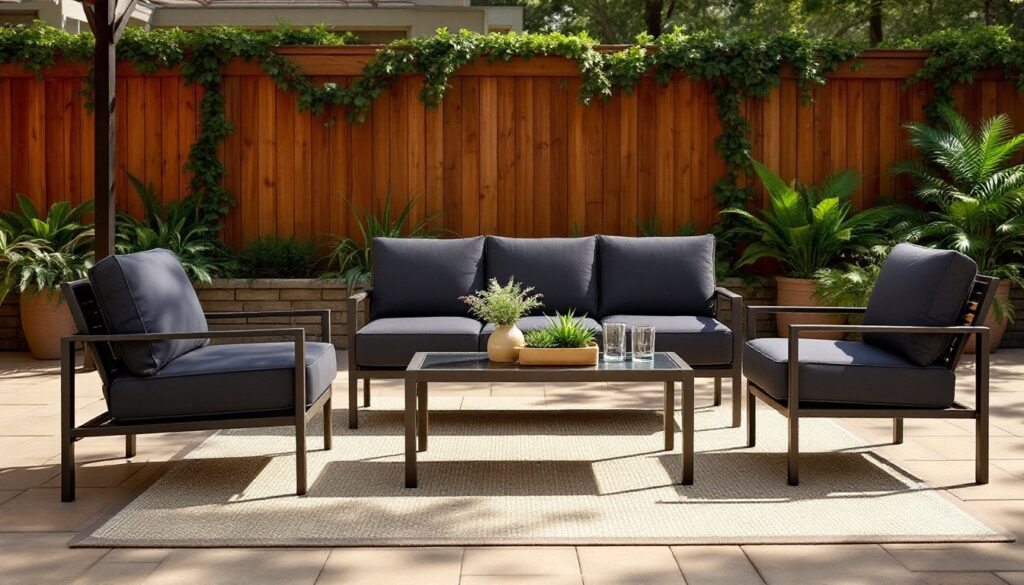
Deep seating refers to outdoor furniture with a seat depth of 24 to 30 inches, compared to the standard 18 to 20 inches found in traditional patio chairs. The extra depth allows users to sit back fully, often with their legs stretched out or tucked under them, similar to indoor sectionals or lounge chairs.
These sets typically include thick cushions ranging from 5 to 8 inches, filled with high-density foam or polyester fiber wrapped in weather-resistant fabric like Sunbrella or solution-dyed acrylic. The frames are built lower to the ground than standard furniture, usually with seat heights between 15 and 18 inches, which enhances the lounging experience.
The defining feature is comfort over formality. Deep seating encourages long conversations, afternoon naps, and the kind of relaxation that standard patio furniture just doesn’t deliver. It’s designed for lingering, not perching.
Why Choose Deep Seating for Your Outdoor Space
The main reason homeowners invest in deep seating is comfort. Standard patio furniture forces an upright posture that’s fine for a quick meal but uncomfortable for extended use. Deep seating lets people settle in, whether they’re reading, entertaining, or just watching the sunset.
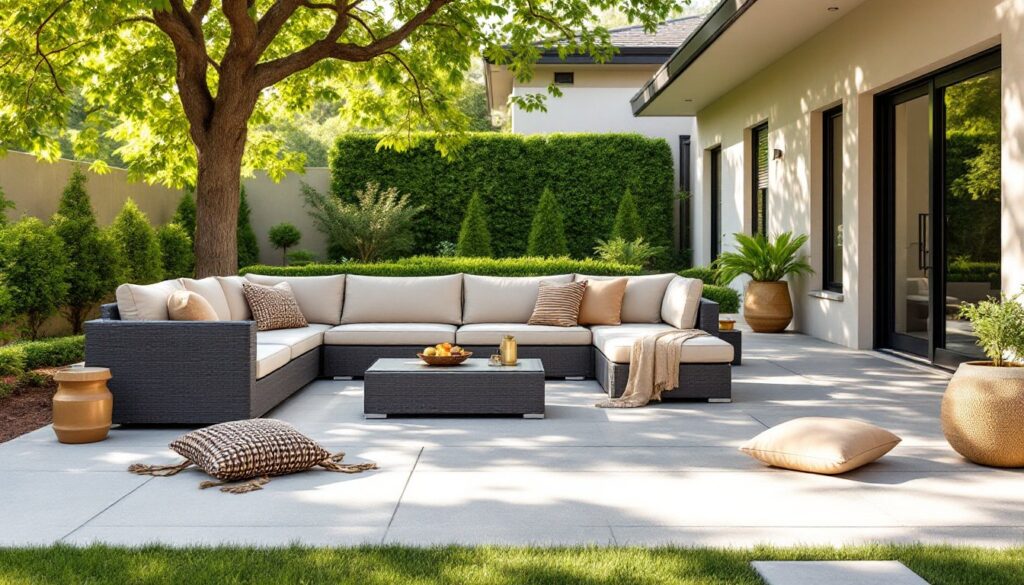
Another advantage is versatility. Most deep seating sets are modular, meaning individual pieces can be rearranged to fit different layouts. A sectional can become two separate loveseats, or a corner unit can shift to create an L-shape that fits a new deck configuration. This flexibility is especially useful for homeowners who change their outdoor setup seasonally or entertain groups of varying sizes.
Deep seating also bridges the gap between indoor and outdoor living. With the right cushions and accessories, these pieces feel like legitimate furniture, not outdoor afterthoughts. That aesthetic continuity makes patios, decks, and porches feel like true extensions of the home.
Finally, durability matters. Because deep seating sets are a larger investment than basic patio furniture, manufacturers typically use powder-coated aluminum, all-weather wicker, or marine-grade stainless steel for frames. These materials resist rust, fading, and warping far better than lower-end options.
Popular Styles and Materials for Deep Seating Sets
Choosing the right material affects both the look and the maintenance routine. Here’s what’s common in 2026.
Wicker and Rattan Options
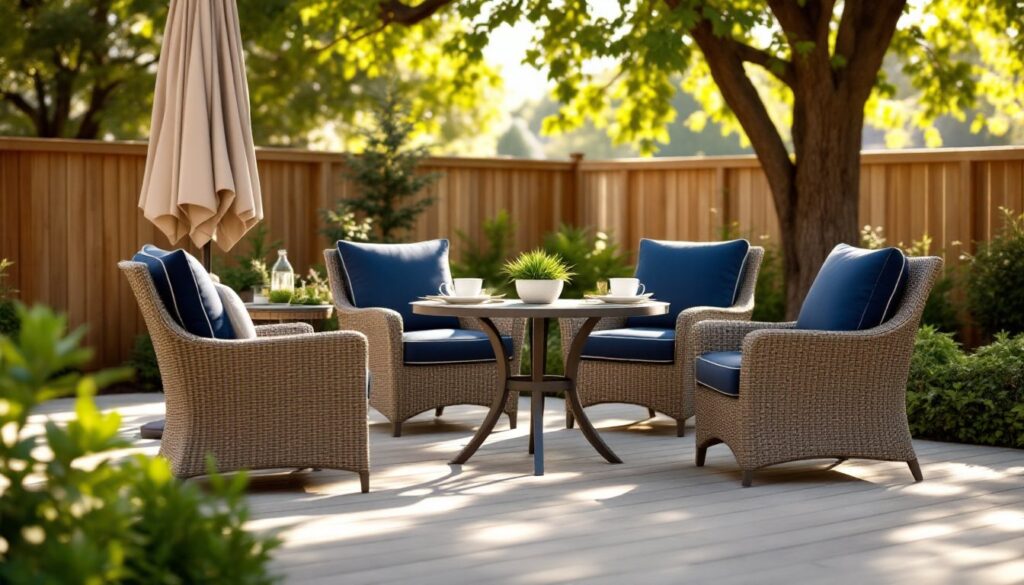
Synthetic wicker (also called resin wicker or all-weather wicker) dominates the deep seating market. It mimics the look of natural rattan but uses high-density polyethylene (HDPE) strands woven over an aluminum or steel frame. This combination resists UV rays, moisture, and temperature swings without cracking or fading.
Real rattan isn’t suitable for year-round outdoor use, it absorbs water and deteriorates quickly. If someone mentions “rattan” in an outdoor context, they usually mean synthetic. Quality synthetic wicker furniture can last 10 to 15 years with minimal care.
Wicker sets pair well with neutral cushions and work in both traditional and coastal design schemes. They’re lightweight enough to move but heavy enough not to blow over in moderate wind. Many deep seating outdoor furniture collections feature wicker because it balances aesthetics and durability.
Metal and Aluminum Frames
Powder-coated aluminum is the workhorse of modern patio furniture. It won’t rust, weighs about half what steel does, and holds up in humid or coastal environments. The powder coating (a baked-on finish) resists scratches and fading better than spray paint.
Aluminum frames typically support 300 to 400 pounds per seat, more than enough for most users. Look for frames with wall thicknesses of at least 1.2mm and welded joints rather than bolted ones, welded construction is sturdier and less likely to loosen over time.
Wrought iron and steel frames offer a more traditional look and greater weight, which helps in windy areas. But, steel requires vigilant maintenance. Even powder-coated steel can develop rust if the coating chips and moisture reaches the metal. Touch up any scratches immediately with a rust-inhibiting primer and matching paint.
Some manufacturers now use marine-grade stainless steel for high-end sets. It’s pricier but virtually maintenance-free and ideal for saltwater environments.
How to Choose the Right Deep Seating Furniture for Your Patio
Start by measuring the space. Deep seating takes up more room than standard furniture, so a 6-foot sectional can feel cramped on a 10×10 patio. Leave at least 24 inches of clearance on all sides for walkways and ease of movement. Sketch the layout to scale or use painter’s tape on the deck to visualize footprints before buying.
Consider how the furniture will be used. If the goal is lounging and reading, prioritize deep seats and plush cushions. For dining and conversation, a slightly shallower seat (around 24 inches) with firmer cushions works better, it’s easier to get in and out of.
Check the cushion fill and fabric. High-density foam (1.8 to 2.0 pounds per cubic foot) holds its shape longer than cheaper alternatives. Cushions should have zippered, removable covers for cleaning. Solution-dyed acrylic fabrics like Sunbrella resist fading and mildew, and many are machine-washable. Avoid cushions with cheap polyester covers, they fade within a season and feel sticky in humid weather.
Look at frame construction. Lift a piece to gauge weight. Heavier generally means sturdier, especially for wicker sets. Inspect joints: welded aluminum or screwed hardwood joints are more durable than plastic clips or thin bolts. If buying online, check the warranty, quality brands offer at least 2 to 5 years on frames.
Some curated deep-seating outdoor sofas feature modular designs that adapt to different patio sizes, which is worth considering if your space might change.
Finally, think about storage. Deep seating cushions are bulky. If you live in a region with harsh winters, you’ll need space to store them indoors or a large deck box (at least 120 gallons for a typical sectional). Some homeowners opt for quick-dry foam cushions that can handle rain and snow, though they cost more upfront.
Maintenance Tips to Keep Your Deep Seating Looking New
Routine care extends the life of deep seating furniture significantly. Here’s what to do.
Cushions: Remove and shake out cushions weekly to prevent dirt buildup. Spot-clean spills immediately with mild soap and water. For deeper cleaning, remove covers (if zippered) and machine-wash on a gentle cycle in cold water. Air-dry only, heat can shrink fabric and damage waterproof backing. If covers aren’t removable, use a soft brush, mild detergent, and a garden hose to scrub and rinse.
Store cushions indoors or in a waterproof deck box during the off-season. Even weather-resistant cushions degrade faster when left outside through freeze-thaw cycles. If storage isn’t an option, use fitted furniture covers with vents to prevent mold.
Wicker frames: Hose down synthetic wicker monthly to remove pollen, dust, and bird droppings. For stubborn grime, mix 1 tablespoon of dish soap per gallon of water and scrub with a soft-bristle brush. Rinse thoroughly. Don’t use pressure washers, they can fray the wicker strands.
Metal frames: Wipe aluminum frames with a damp cloth as needed. For powder-coated finishes, avoid abrasive cleaners or steel wool, which scratch the coating. If rust appears on steel frames, sand the spot with 220-grit sandpaper, apply a rust-inhibiting primer, and touch up with matching paint.
Seasonal prep: Before winter, clean all surfaces, let them dry completely, and cover or store pieces. Covers should fit snugly but allow airflow, trapped moisture causes mildew. In spring, inspect frames for loose screws, cracked welds, or worn wicker strands. Tighten hardware and address small issues before they worsen.
Many of the best deep seating patio furniture sets come with care instructions specific to their materials, so keep those on hand.
Safety note: When cleaning, wear gloves if using any cleaner stronger than dish soap, and work in a ventilated area. If using a ladder to cover tall furniture or clean overhead structures, have a second person spot you.
With consistent care, quality deep seating furniture lasts 10 to 15 years or more, making it a sound long-term investment for outdoor living.