


Table of Contents
ToggleLiving in a small room can feel like a game of Tetris gone wrong. With piles of clothes, stacks of books, and that mysterious collection of random gadgets, it’s easy to feel overwhelmed. But fear not! Organizing a small space doesn’t have to be a Herculean task. In fact, with a little creativity and some clever strategies, it can even be fun—like a scavenger hunt for your sanity.
Understanding the Challenge
Living in a small room often becomes a complex issue. Limited space can lead to overwhelming clutter, making the environment feel chaotic. Many encounter this problem, as the accumulation of items contributes to a lack of organization. Instead of feeling restful, the room may evoke stress or frustration.
Creating harmony involves addressing various components. Each item occupies space, yet not all are essential. Understanding what truly matters can significantly streamline the organization process. An assessment of belongings makes it easier to determine which items enhance the living experience and which ones add to the clutter.
Identifying the root causes is crucial. Often, sentimental attachments to items hinder the decluttering process. Recognizing this emotional aspect allows individuals to evaluate possessions more critically. With determination, decisions regarding what to eliminate become easier.
Strategizing effectively requires thoughtful planning. Utilizing vertical space, finding multifunctional furniture, or implementing storage solutions can all contribute to a more organized environment. Each approach can transform chaos into a cohesive arrangement.
Adapting to small space living involves ongoing efforts and adjustments. Maintaining order requires regular evaluation of clutter levels. Developing a routine can simplify the upkeep process, ensuring the room remains inviting and functional.
Assessing Your Space
Assessing a small room sets the foundation for effective organization. This process involves understanding the room’s measurements and pinpointing areas for improvement.
Measuring Your Room
Measuring the room provides critical data. Start by using a tape measure to determine the dimensions. Note the length, width, and height for accurate planning. Listing furniture sizes helps visualize available space. Consider any architectural features, like windows or doors, that may affect layout options. Create a simple floor plan to illustrate these elements, ensuring clarity as you plan organization strategies.
Identifying Key Areas
Identifying key areas helps prioritize the organization process. Focus on high-traffic zones, such as entryways and workspaces, for efficient use of space. Determine which areas require immediate attention based on functionality and clutter levels. Listing essential items within these spaces aids in decision-making. Understand the purpose of each area—personal space, storage, or workspace—to guide the organization effort effectively. The goal remains to enhance usability and comfort in every section of the room.
Effective Decluttering Strategies
Effective decluttering transforms a chaotic small room into an organized space. Implementing specific strategies can simplify this process significantly.
Sorting Items into Categories
Sorting items into categories streamlines organization efforts. Group items based on functionality, such as clothing, books, and kitchenware. This method clarifies what’s present and identifies duplicate items. Create designated areas for each category to visualize quantities better. Labeling boxes or bins adds an extra level of organization. Consider using clear containers to easily see contents. By focusing on categories, individuals can quickly determine where to allocate space or if additional storage solutions are necessary.
How to Decide What to Keep
Deciding what to keep involves assessing each item’s value and necessity. Start by asking if the item serves a practical purpose or brings joy. If it hasn’t been used in the last year, reconsider its value in the space. Creating a “keep,” “donate,” and “discard” system eases decision-making. Objects with strong emotional ties deserve special attention but should still align with the room’s function. Employing this method eliminates clutter and enhances overall room functionality. Prioritize essentials and ensure every item has a purpose to maintain a balanced atmosphere.
Smart Storage Solutions
Organizing a small room requires clever storage strategies. Implementing these solutions helps create an efficient and functional space.
Utilizing Vertical Space
Maximizing vertical space transforms a cramped area into a capable storage haven. Shelving units create extra storage opportunities. Wall-mounted shelves leave valuable floor space available while displaying personal items. Hooks or pegboards provide additional spots for hanging accessories and tools. Tall furniture, such as bookcases, offers the advantage of utilizing height while keeping essentials accessible. Every inch counts when space is limited, so consider stacking bins or baskets on shelves to keep items organized. Focus on vertical storage solutions that maintain an uncluttered appearance and promote accessibility.
Multi-Functional Furniture
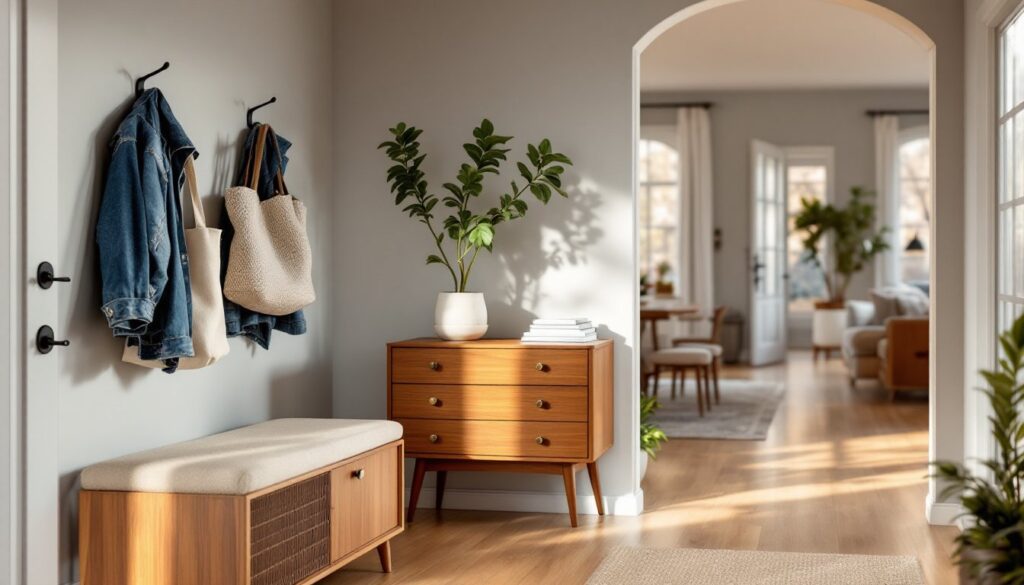
Investing in multi-functional furniture provides versatility in a small room. Sofa beds serve as both seating and sleeping space, while ottomans with storage compartments offer dual utility. Folding tables can be tucked away when not in use, freeing up room for other activities. Use benches with built-in storage for a stylish seating option that hides clutter. Each piece of furniture should serve multiple purposes, contributing to efficient use of available space. Choose items that align with the room’s layout and functionality for the best results.
Organizing Techniques
Organizing a small room requires strategic techniques to manage space effectively and eliminate clutter. Implementing the right methods can transform chaos into order with ease.
Thematic Grouping
Grouping similar items together simplifies organization. Start by sorting belongings based on categories such as clothing, books, and office supplies. By placing like items in designated zones, it’s easier to locate them later. This method encourages maintaining order, as each group has a clear purpose. Establishing themes helps minimize duplication and enhances visual appeal. Think about the functionality of each category, which makes it easier to decide what to keep or eliminate. Using these techniques prioritizes essential items and streamlines the overall organization process.
Labeling and Easy Access
Labeling containers ensures easy access and quick identification of contents. Use clear labels for boxes, bins, and drawers that describe their specific use. Organizing items this way reduces the time spent searching for things. Consider using color-coded labels to differentiate categories visually and enhance organization. Place frequently used items at eye level or in easily reachable spots, which maximizes convenience. Creating a system that incorporates labels and accessibility fosters a sense of order while ensuring that every item has its designated place. This approach to organization can significantly enhance the efficiency of a small room.
Maintaining Order
Maintaining order in a small room requires consistent effort. Regular decluttering sessions help manage accumulated items and prevent chaos from returning.
Regular Decluttering Sessions
Schedule decluttering sessions every three months to stay on top of belongings. During each session, focus on specific categories like clothing, books, and gadgets. Evaluate the necessity of each item to determine its value and purpose. If an item hasn’t been used in the last six months, consider removing it. Sort items into “keep,” “donate,” and “discard” piles for strategic organization. Keep the process simple to encourage repeated efforts and avoid overwhelming feelings. Utilize reminders on a calendar or digital app to ensure consistency in these sessions.
Tips for Staying Organized
Establish daily routines to maintain organization in small spaces. Create designated zones for specific items to enhance accessibility, preventing clutter from building up. Store similar items together and label containers as a simple method for quick identification. Employ vertical space using shelves and hooks to optimize storage. Additionally, practice the one-in-one-out rule: when new items enter, others must leave. Keep regularly used items at eye level for easy access and efficiency. Make tidying a part of daily habits, ensuring a consistently organized and functional environment.
Transforming a small room filled with clutter into an organized haven is achievable with the right mindset and strategies. By embracing creativity and practical solutions, individuals can reclaim their space and enhance their living experience.
Regular decluttering and smart storage choices not only create a functional environment but also contribute to a sense of calm. Prioritizing essentials and utilizing multifunctional furniture can significantly improve usability.
With consistent effort and a focus on organization, maintaining an inviting small room becomes a rewarding journey rather than a daunting task. A well-organized space fosters comfort and clarity, making it easier to enjoy every moment spent within its walls.