

Table of Contents
ToggleSetting up a nursery can feel overwhelming, especially for first-time parents staring at hundreds of product listings and conflicting advice. A nursery bedroom furniture set simplifies the process by bundling essential pieces into a coordinated package, saving time, money, and decision fatigue. But not all sets are created equal, and choosing the wrong one can lead to wasted space, safety concerns, or furniture that doesn’t grow with the child. This guide walks through what’s actually included in these sets, how to evaluate them for safety and value, and practical ways to make the most of a nursery’s square footage without breaking the budget.
Key Takeaways
- Nursery bedroom furniture sets bundle 3–5 coordinated pieces like cribs, dressers, and nightstands to save time and decision fatigue while simplifying nursery setup.
- Convertible cribs that transform from infant to toddler to full-size beds provide better long-term value and can serve a child from birth through age ten or beyond.
- Prioritize JPMA certification, anti-tip hardware, and CARB Phase 2 formaldehyde compliance to ensure safety in this critical sleeping space.
- Solid wood sets cost more upfront but offer superior durability and longevity compared to engineered wood, especially for multi-child or long-term use.
- Mid-century modern and Scandinavian-inspired designs remain trendy in 2026, featuring clean lines and light woods that age gracefully and avoid dated juvenile looks.
- Maximize small nursery spaces by choosing multi-function pieces like dresser-changing tables, using vertical storage, and measuring clearance carefully before purchase.
What’s Included in a Nursery Bedroom Furniture Set?
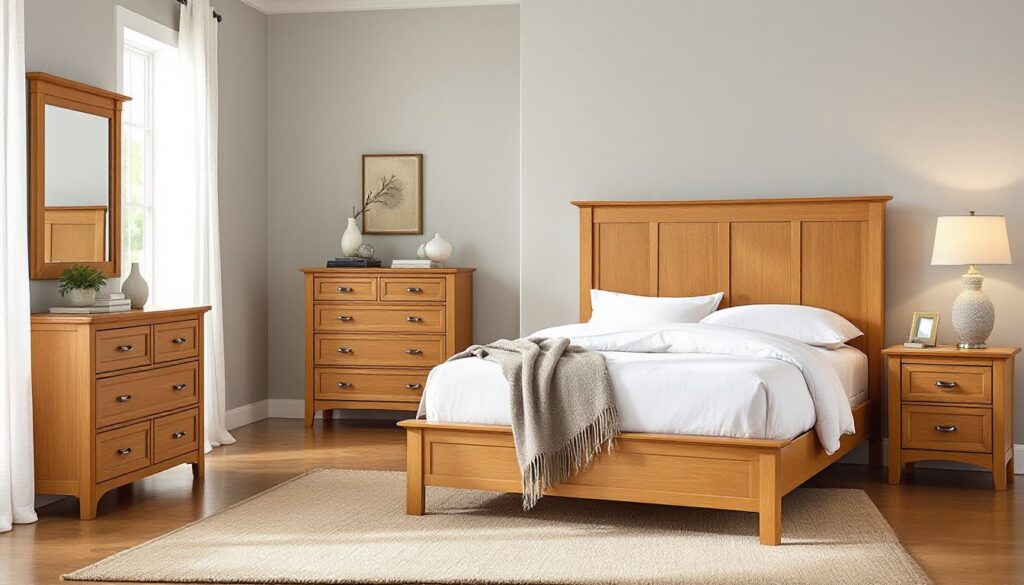
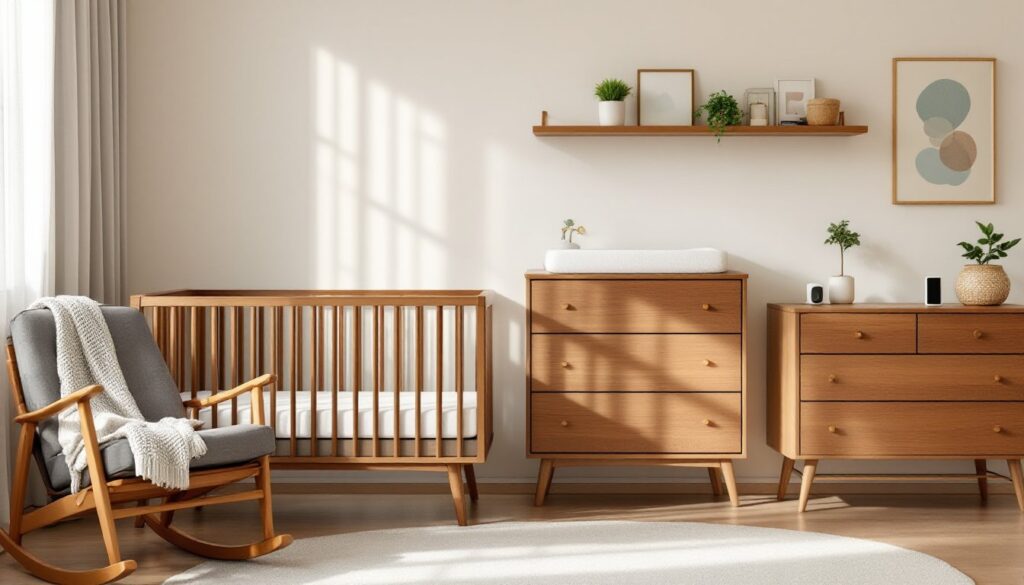
Most nursery furniture sets bundle three to five pieces designed to work together aesthetically and functionally. The core components typically include a crib, a dresser or changing table, and sometimes a nightstand or bookshelf. Higher-end sets may add a glider or rocking chair and additional storage pieces like an armoire or toy chest.
The crib is the centerpiece and usually converts from a standard crib to a toddler bed, and in some cases, a daybed or full-size bed frame with conversion kits sold separately. Standard crib dimensions are 28 inches wide by 52 inches long internally, fitting a standard crib mattress. Check whether the mattress is included, most sets don’t bundle it, and parents need to purchase one separately that meets CPSC safety standards (firm, flat, no more than 6 inches thick).
Dressers in nursery sets often double as changing stations, with a removable changing tray that sits on top. Look for dressers with anti-tip hardware included and at least three to four drawers for organizing clothes, diapers, and linens. Some sets feature a standalone changing table instead, which takes up less floor space but offers less long-term utility once diaper days end.
Additional pieces like nightstands or bookshelves round out the set and provide spots for lamps, monitors, or bedtime books. Sets sold as “3-piece” bundles usually include crib, dresser, and one smaller piece: “5-piece” sets add more storage and seating options. The finish and hardware are matched across all pieces, which creates a cohesive look without hunting for individual items that coordinate.
Choosing the Right Nursery Furniture Set for Your Space and Budget
Start by measuring the nursery. Most cribs need a 3-foot clearance around them for safe access, and dressers require at least 18 inches of space in front for drawer operation. A typical 10×10-foot nursery can comfortably fit a crib, dresser, and glider, but larger sets may overcrowd smaller rooms. Sketch a simple floor plan or use painter’s tape on the floor to visualize footprints before ordering.
Budget for nursery sets ranges widely. Basic three-piece sets in laminate or engineered wood start around $400–$700, mid-range solid wood sets run $1,000–$2,000, and premium convertible collections with multiple pieces can exceed $3,000. Solid wood (birch, maple, oak) offers better durability and longevity, especially if the furniture will see use through multiple children or convert into teen bedroom pieces. Engineered wood with veneer can look sharp and hold up well if the set uses quality construction, but check for CARB Phase 2 certification to ensure low formaldehyde emissions, important in a baby’s room.
Convertible cribs add upfront cost but extend the furniture’s lifespan. A crib that converts to a toddler bed and then a full-size bed frame can serve a child from birth through age ten or beyond, making the per-year cost competitive with buying separate beds later. Factor in the price of conversion kits, which typically run $100–$200 and aren’t always included in the initial purchase.
Essential Safety Features to Look For
JPMA (Juvenile Products Manufacturers Association) certification is the baseline, this third-party seal confirms the set meets ASTM safety standards for cribs, dressers, and changing tables. For cribs, slat spacing must be no more than 2-3/8 inches apart to prevent head entrapment, and there should be no cutouts or decorative elements that pose strangulation risks.
Dressers and changing tables need anti-tip straps or brackets that anchor them to wall studs. Tip-over accidents injure thousands of children annually, and even a lightweight dresser becomes dangerous when a toddler climbs drawers like a ladder. Install these anchors into studs using appropriate hardware, drywall anchors alone won’t hold under load.
Avoid cribs with drop-side rails. These were banned in the U.S. in 2011 due to entrapment and suffocation hazards, but older or secondhand sets may still have them. Similarly, skip changing tables without safety rails on all four sides: a 1-inch guardrail is the minimum, but taller is safer. Check that all hardware is included and that assembly instructions specify torque or tightness standards for bolts, wobbly construction is a red flag.
Finishes should be non-toxic and free of lead or phthalates. Greenguard Gold certification indicates low chemical emissions, which matters in a small, enclosed space where a baby spends significant time. Water-based paints and stains are preferable to solvent-based finishes, especially if the room has limited ventilation.
Top Nursery Furniture Set Styles and Trends for 2026
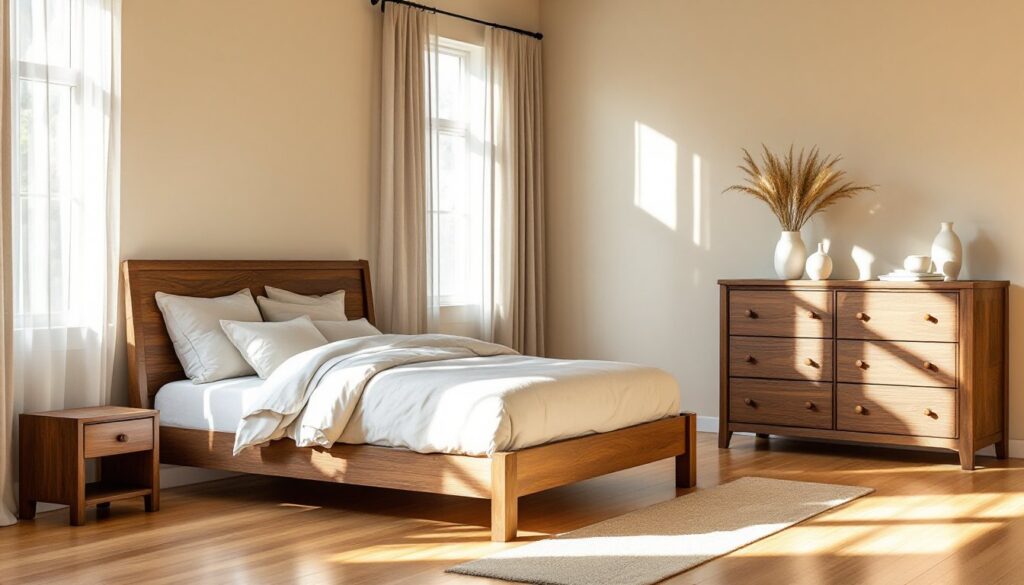
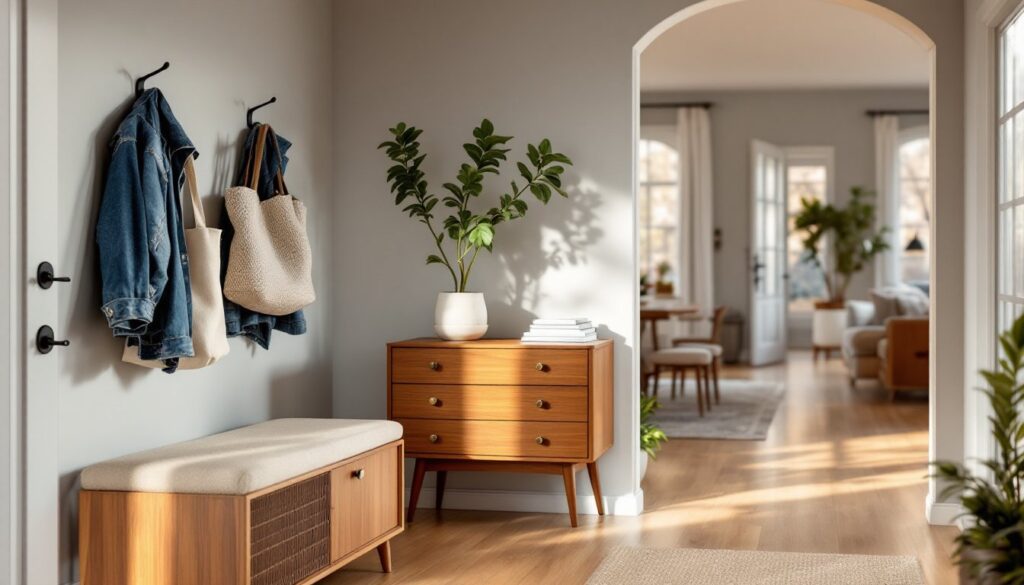
Mid-century modern remains popular, with clean lines, tapered legs, and warm wood tones like walnut or teak. These sets pair well with minimalist decor and age gracefully as the child grows, avoiding the overly juvenile look that dates a room. Hardware is often brushed brass or matte black, complementing neutral palettes.
Scandinavian-inspired designs emphasize light woods (birch, beech, natural pine) and simple silhouettes. These sets often feature rounded edges and low-profile dressers that feel less imposing in small nurseries. The aesthetic works well in spaces with abundant natural light and pairs with soft textiles and greenery. Many interior design trends lean into this pared-back, functional approach.
Rustic farmhouse sets use distressed or weathered finishes, plank-style detailing, and antique-inspired hardware. These collections suit homes with shiplap, exposed beams, or vintage decor but can feel heavy in compact rooms. Look for sets that balance rustic charm with modern safety features, decorative corbels and turned posts are fine as long as they don’t create entrapment hazards.
Convertible modular systems are gaining traction in 2026. These sets allow parents to reconfigure pieces as needs change: a changing table that transforms into a desk, or a crib that becomes a twin bed with add-on nightstands. The upfront investment is higher, but the flexibility appeals to parents planning for one child or those who want furniture that adapts rather than gets replaced.
Bold color finishes are trending beyond traditional white, gray, and natural wood. Navy, sage green, and blush pink sets add personality without requiring a full room repaint. Ensure colored finishes use durable, non-toxic paints that resist chipping, cheaper painted sets can show wear quickly, especially on high-contact areas like crib rails where teething babies may gnaw.
How to Maximize Storage and Organization in Your Nursery
Nurseries accumulate gear fast, diapers, wipes, clothes in multiple sizes, blankets, toys, and medical supplies. Choose sets with dressers that offer a mix of shallow and deep drawers. Shallow drawers (4–6 inches) work well for socks, bibs, and accessories: deep drawers (10+ inches) hold bulky items like blankets or out-of-season clothing.
Add drawer dividers or organizers to keep small items from becoming a jumbled mess. Fabric bins or adjustable dividers help separate onesies by size or type, making middle-of-the-night changes less chaotic. For changing table dressers, use the top drawer for immediate needs, diapers, wipes, diaper cream, and lower drawers for less-accessed items.
Wall-mounted shelves and pegboards reclaim vertical space without cluttering the floor. Floating shelves above the changing table can hold baskets of diapers and creams within arm’s reach. Pegboards with hooks accommodate hanging storage for diaper bags, hats, or small toys. Ensure shelves are anchored into studs and positioned high enough that a curious toddler can’t pull them down.
Under-crib storage is often overlooked. Low-profile rolling bins or fabric drawers slide underneath and store extra linens, seasonal clothes, or toys. Not all cribs allow this, convertible models with lower base settings or solid panel sides may block access, so measure the clearance (typically 4–8 inches) before buying storage bins.
Closet organization matters as much as furniture. Install double hang rods to maximize vertical closet space: babies’ clothes are short, so two rods use the full height more efficiently than one. Add shelf dividers to keep stacks of onesies or folded pants from toppling, and use labeled bins for items like shoes, accessories, or hand-me-downs to grow into. Exploring creative storage solutions can spark ideas for making the most of limited square footage.
Smart Ways to Save Money on Nursery Furniture Sets
Buy during major sale windows: Black Friday, end-of-year clearances, and mid-summer sales when retailers push out older inventory. Furniture stores often discount floor models or discontinued styles by 20–40%, and these pieces are fully assembled for inspection before purchase. Check for dings, scratches, or missing hardware and negotiate further if needed.
Open-box or returned sets can offer steep savings, but inspect thoroughly. Verify all hardware is included and that pieces aren’t warped or damaged. Some retailers offer partial refunds or discounts if minor cosmetic issues exist, which can be worth it if the furniture is structurally sound and safe.
Consider buying the crib and dresser separately rather than a full set if budget is tight. These two pieces are the non-negotiables: extras like nightstands and bookshelves can be added later or sourced from other collections. Mixing finishes intentionally (e.g., a white crib with a natural wood dresser) creates a curated look and avoids the matchy-matchy aesthetic that can feel dated.
DIY hacks and modifications extend the life of budget-friendly pieces. Simple upgrades like swapping out stock hardware for modern pulls, adding peel-and-stick wallpaper to dresser drawer fronts, or painting a basic set in a custom color can elevate inexpensive furniture. For inspiration, browse DIY nursery furniture projects that transform budget items into custom-looking pieces.
Skip unnecessary add-ons marketed as part of bundles. Crib bedding sets often include bumpers, which are not recommended by the AAP due to suffocation risks, and decorative pillows that infants can’t use. Buy fitted sheets, a mattress pad, and a wearable blanket separately instead. Similarly, avoid bundled décor like lamps or wall art that may not fit the room’s actual style once set up.
Look for sets with multi-function pieces. A dresser that works as a changing table eliminates the need for a separate unit. A crib with built-in storage drawers reduces the need for extra bins. Each dual-purpose piece saves both money and floor space, especially valuable in smaller homes or apartments.
Conclusion
Choosing a nursery furniture set doesn’t have to be stressful or wallet-draining. Focus on the essentials, a safe, convertible crib and a sturdy dresser, then build out with pieces that fit the space and budget. Prioritize safety certifications, measure twice before ordering, and don’t skip the anti-tip hardware. With smart planning and a few strategic upgrades, the nursery becomes a functional, beautiful space that grows with the child for years to come.