
Table of Contents
ToggleTurning a basic patio into an outdoor bar zone changes how homeowners use their space. Bar stools bring functionality to deck-mounted bars, kitchen pass-throughs, and high-top patio tables. They’re not just seating, they create conversation hubs and extend entertaining square footage without a major renovation. But outdoor bar stools face UV exposure, temperature swings, and moisture, making material choice and construction quality non-negotiable. This guide covers what actually matters: durability, sizing standards, weather resistance, and maintenance that keeps stools functional for years, not just seasons.
Key Takeaways
- Patio furniture bar stools add seating capacity and create conversation zones without consuming significant floor space, making them ideal for small patios and outdoor kitchens.
- Material choice is critical—aluminum and high-density polyethylene (HDPE) resin wicker offer the best weather resistance, while untreated wood and cheap plastics deteriorate quickly under UV exposure and moisture.
- Proper sizing matters for comfort and safety: counter-height bar stools have 24-26 inch seats for 34-36 inch counters, and footrests should sit 6-8 inches below the seat to reduce strain.
- Match bar stool style to your patio’s design language—modern patios suit aluminum frames, coastal themes pair with teak or white resin wicker, and industrial spaces work with powder-coated steel.
- Monthly cleaning, annual hardware inspections, and prompt touch-ups of chips or rust prevent premature deterioration and extend the lifespan of outdoor bar stools by years.
- Stack or store bar stools indoors during harsh winters using breathable covers rather than plastic, which traps moisture and encourages rust and mold growth.
Why Bar Stools Are the Perfect Addition to Your Outdoor Space
Bar stools solve two problems at once: they add seating capacity without consuming the square footage that full dining sets require, and they create visual zones in open patios or deck spaces.
For homeowners with outdoor kitchens, bar stools along a counter create a natural gathering spot while food’s being prepped. The elevated seating height (typically 24-30 inches off the ground) keeps sightlines clear across yards and encourages casual, stand-and-sit conversation flow that standard-height chairs don’t.
Bar stools also work well for small patios where a full dining table feels cramped. A narrow bar-height table against a railing paired with two or three stools takes up roughly 18-24 inches of depth versus the 36-48 inches a standard table and chair combo demands.
One practical advantage: bar stools with footrests keep feet off cold or wet patio surfaces during shoulder seasons, extending usable outdoor time in spring and fall. They’re also easier to move indoors for winter storage than heavy lounge furniture, especially backless or stackable models.
Types of Patio Bar Stools: Finding Your Perfect Match
Outdoor bar stools break down into a few functional categories, each with tradeoffs.
Backless stools are the most compact and versatile. They tuck completely under counters, ideal for tight spaces or pass-through bars. They’re lighter and easier to store, but comfort drops off after about 20-30 minutes of sitting. Best for cocktail zones or appetizer service, not multi-course dinners.
Low-back and mid-back stools add lumbar support without blocking views. Look for backs that stop around shoulder-blade height, high enough for comfort but low enough to maintain sightlines across the yard. These work well for longer gatherings and are especially helpful for guests with mobility concerns.
Swivel stools let users rotate to face different directions without repositioning the stool. Handy for outdoor bar setups where conversation shifts between the grill, the yard, and the counter. The swivel mechanism is a wear point, though, check that it’s stainless steel or galvanized, not plastic, to avoid early failure in outdoor conditions.
Adjustable-height stools use a gas lift (like office chairs) to accommodate different counter heights. These are rare in outdoor-rated versions because the lift mechanism is vulnerable to corrosion and dirt infiltration. If considering one, confirm the lift cylinder is IP-rated for moisture resistance and that it’s sealed against dust.
Folding and stackable models simplify seasonal storage. Aluminum and resin stools often stack 4-6 units high without tipping, critical if garage or shed space is limited. Folding wood stools exist but tend to loosen at pivot points after repeated wet/dry cycles, use stainless steel hardware if building or repairing one.
Materials That Last: Choosing Weather-Resistant Bar Stools
Material choice dictates lifespan. Outdoor bar stools need to handle UV, moisture, temperature swings, and, depending on location, salt air or heavy pollen.
Aluminum is the workhorse. It won’t rust, weighs roughly 5-8 pounds per stool (easy to move), and handles full sun without degrading. Powder-coated finishes add color and a slight texture that hides minor scratches. Avoid bare aluminum near saltwater: it can pit over time. Welded joints outlast riveted ones, check construction if buying budget models.
Teak and treated hardwoods bring warmth but require maintenance. Teak contains natural oils that resist rot and insects, but it weathers to silver-gray unless treated annually with teak oil. Expect to sand and re-oil once per season if keeping the honey-brown color. Eucalyptus is a budget alternative with similar durability but faster weathering. Both work well in covered patios: full-sun exposure accelerates the aging process.
Resin wicker over aluminum frames mimics indoor wicker but stands up to weather. Quality matters here, cheap resin becomes brittle and cracks within two seasons. Look for high-density polyethylene (HDPE) wicker, which stays flexible through freeze-thaw cycles. The frame underneath should be welded aluminum, not steel, to prevent rust blooms that stain the wicker.
Steel (powder-coated or galvanized) offers industrial strength and clean lines. Powder coating provides color and corrosion resistance, but chips expose bare steel to rust. Galvanized steel resists corrosion better but limits finish options. If choosing steel, inspect welds and joints annually for rust and touch up with rust-inhibiting primer and matching paint.
Plastic and molded resin are budget-friendly and truly weatherproof, but UV exposure causes fading and brittleness over 3-5 years. They’re lightweight (easy for wind to tip or blow), so anchor them or store them during storms. Best for rental properties or casual seasonal use, not long-term investment pieces.
Avoid untreated wood, wicker without UV inhibitors, or any stool with exposed fasteners that aren’t stainless steel. Choosing durable outdoor bar stools means matching material to exposure level and committing to appropriate maintenance.
Height and Sizing: Getting the Measurements Right
Bar stool height standards exist for a reason: comfort and safety. Measure the counter or table height from the ground to the underside of the counter or tabletop, then subtract 9-13 inches to find seat height.
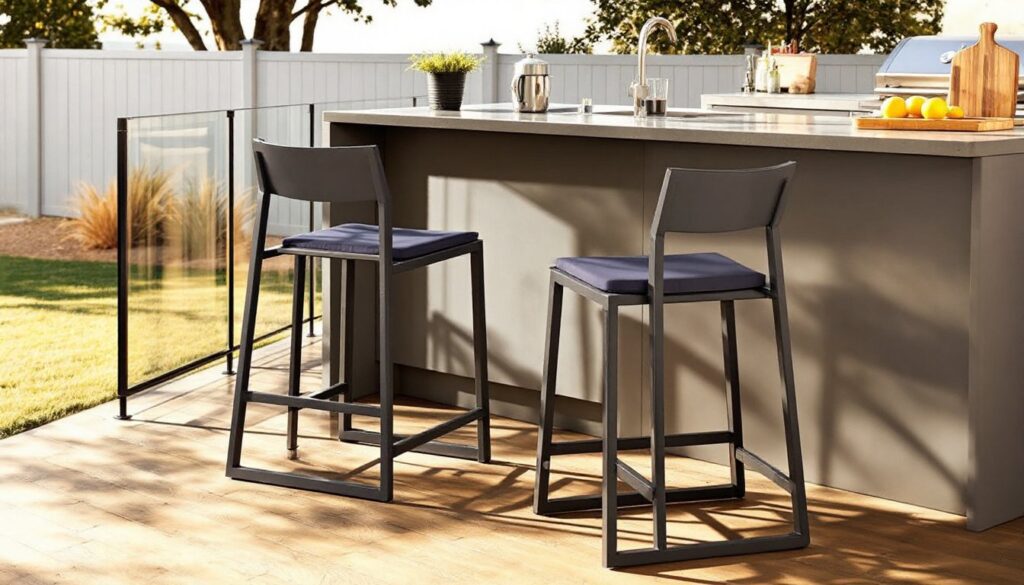
Counter-height stools have seats 24-26 inches off the ground and pair with surfaces 34-36 inches high (standard kitchen counter height). These are the most common for outdoor kitchen islands and pass-through bars.
Bar-height stools have seats 28-30 inches high and match 40-42 inch bar tops. These work for taller pub-style tables or custom-built outdoor bars. The extra height increases tip risk, especially on uneven patio surfaces, check that the stool base is wide enough for stability.
Spectator-height stools (30+ inches) are rare outdoors but appear with very tall bars or stadium-style deck setups. They require footrests: otherwise, legs dangle uncomfortably.
Beyond seat height, check seat width and depth. Comfortable seats measure at least 15 inches wide and 12 inches deep. Narrower seats work for short sits but cause discomfort during longer gatherings. If the stool has arms, verify the space between arms (typically 18-20 inches) allows users to sit and rise easily.
Footrests matter more than most buyers realize. They reduce lower-back strain and keep feet stable on uneven surfaces. Footrests should sit 6-8 inches below the seat: too low and they’re useless, too high and they force awkward knee angles.
Finally, confirm the stool base fits your patio surface. Four-leg designs distribute weight well on pavers and composite decking. Pedestal bases with round footplates can sink into gravel or tip on uneven stone. If the patio surface has large gaps (like slatted deck boards), choose stools with feet wide enough to span gaps without wedging.
Style and Design Ideas for Every Outdoor Aesthetic
Bar stool style should follow the overall patio design language and architecture of the home, not trend-chasing.
Modern/minimalist patios benefit from clean-lined aluminum or steel stools in matte black, white, or charcoal. Look for geometric shapes, straight legs, and minimal ornamentation. Backless or low-back designs keep sightlines open and emphasize horizontal planes.
Coastal and nautical themes pair well with teak, rope-wrapped details, or white resin wicker. Stools with turned legs or X-brace supports reference traditional boat and dock furniture. Cushions in navy, coral, or sandy neutrals complete the look, but use solution-dyed acrylic fabric (Sunbrella or equivalent) that resists fading and mildew.
Rustic and farmhouse styles call for distressed wood finishes, wrought iron, or powder-coated steel with a hammered texture. Stools with saddle seats or ladder backs fit here. If choosing wood, go for reclaimed or weathered finishes rather than trying to keep wood looking new, it’s lower maintenance and visually consistent.
Industrial patios with exposed brick, concrete, or metal accents work with steel stools that show rivets, bolts, or visible welds. Raw steel (sealed with clear coat) or gunmetal powder coat matches the aesthetic. Adjustable-height stools with visible hydraulics fit this style if you can source outdoor-rated versions.
Tropical and resort-inspired spaces suit natural materials like wicker, rattan, or bamboo-look resin. Curved backs, organic shapes, and earthy tones (taupe, terracotta, sage) reinforce the vibe. Pair with lush plantings and layered textures for a cohesive look.
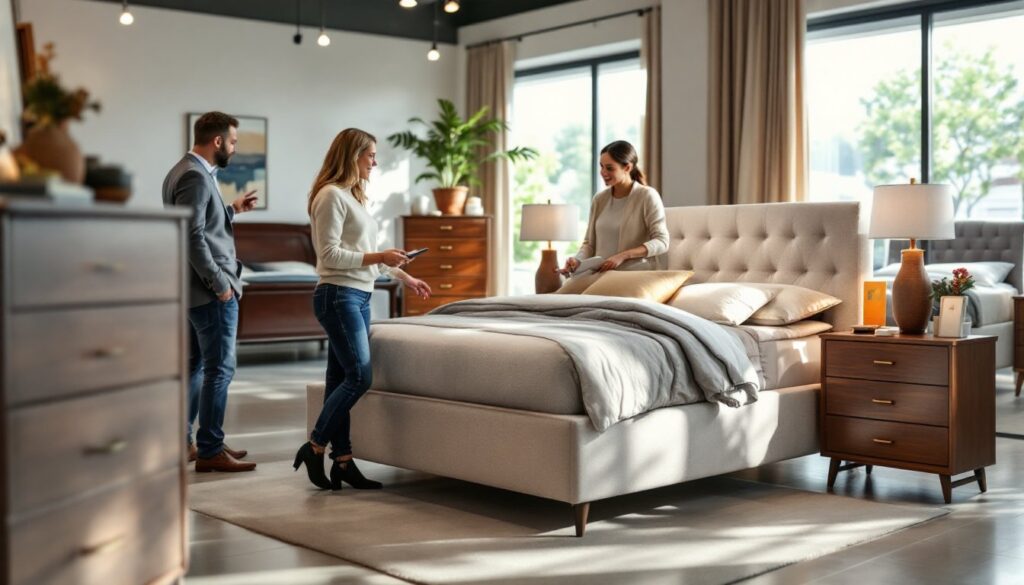
Don’t mix too many stool styles in one space, it reads as indecisive rather than eclectic. If adding stools to an existing furniture set, match material or color family. If starting fresh, buy stools and tables as a set or verify dimensions before purchasing separately. Testing bar stools for style and comfort before committing helps avoid mismatches.
Maintenance Tips to Keep Your Bar Stools Looking New
Outdoor furniture needs routine care to hit its expected lifespan. Neglect accelerates wear: a few simple habits extend usability by years.
Aluminum stools: Hose off monthly to remove pollen, dirt, and debris that can scratch powder coating. For stubborn grime, use mild dish soap and a soft brush, avoid abrasive pads that damage the finish. Touch up scratches or chips with rust-inhibiting primer and matching spray paint to prevent corrosion from creeping under the coating.
Wood stools: Clean with a wood-safe cleaner or diluted Murphy’s Oil Soap, then rinse and dry. Teak and eucalyptus need annual oiling if maintaining color: skip this if you’re letting them weather naturally. Sand rough spots with 120-grit sandpaper before oiling. Check joints and hardware yearly, tighten loose screws and replace any corroded fasteners with stainless steel.
Wicker and resin: Vacuum or brush out dust and leaves from crevices where moisture collects. Wash with soapy water and rinse thoroughly. Inspect the frame underneath for rust or loose wrapping. If resin strands break, trim the frayed ends with flush cutters: attempting to re-weave rarely holds up.
Steel stools: Check powder coating for chips and touch up immediately. If rust appears, sand to bare metal with 80-grit sandpaper, apply rust-converting primer, then topcoat with outdoor enamel. For galvanized steel, rinse off salt or chlorine (from pool areas) monthly to prevent white corrosion (zinc oxide).
Cushions: Remove and store fabric cushions during rain or overnight. Spot-clean with mild soap: most solution-dyed acrylic can be machine-washed on gentle cycle (check tags). Let air-dry completely before storing to prevent mildew. If mold appears, scrub with a 1:4 bleach-to-water solution, rinse thoroughly, and dry in full sun.
Seasonal storage: If winters are harsh, store stools indoors or under waterproof covers. Stack carefully to avoid scratching finishes. For DIYers looking to build custom outdoor furniture or stools, Instructables offers detailed project plans with material lists and cut dimensions. Cover non-stackable stools individually with breathable furniture covers, plastic tarps trap condensation and encourage rust and mold.
Safety check: Before each season, flip stools upside down and inspect all joints, welds, and hardware. Wobbles often start as loose screws: catching them early prevents bigger structural failures. Replace stools with cracked frames or split seats, outdoor furniture failures can cause injury.
Conclusion
Patio bar stools aren’t just extra seating, they define how outdoor spaces function. Choosing the right material, nailing the height-to-counter relationship, and committing to simple maintenance separates stools that last a decade from those that look shabby by year three. Measure twice, match style to structure, and don’t skip the annual check-ups. Done right, bar stools turn patios into year-round gathering spots that actually get used.