
Table of Contents
ToggleHouston homeowners know the drill: outdoor furniture takes a beating. Between the relentless summer sun, humidity that hovers near 90%, and sudden afternoon downpours, choosing patio furniture isn’t just about style, it’s about survival. The wrong materials crack, fade, or rust before you’ve hosted your second backyard cookout. This guide cuts through the fluff and focuses on what actually works in Houston’s Gulf Coast climate, from material choices to local shopping options and the maintenance routines that keep furniture looking sharp year after year.
Key Takeaways
- Houston’s intense sun, humidity, and rainfall demand patio furniture specifically built for coastal and subtropical climates—generic outdoor pieces won’t survive the Gulf Coast weather.
- Powder-coated aluminum, teak, eucalyptus, quality resin wicker, and HDPE lumber outperform untreated wood and low-grade plastics in Houston’s hot, humid environment.
- Solution-dyed acrylic cushion fabrics like Sunbrella resist fading and mildew far better than standard outdoor fabrics, paired with quick-dry foam for moisture management.
- Local Houston stores like Patio Furniture Plus and Star Furniture offer climate-tested selections and expert guidance, while big-box retailers and online options require careful quality inspections before purchase.
- Monthly cleaning, annual sealant reapplication on wood, and proper off-season storage extend patio furniture lifespan to 7–10 years, making maintenance as critical as material choice.
- Lightweight furniture must be secured or stored indoors during hurricane season, and cushions should be replaced every 3–5 years as part of a long-term outdoor living investment.
Why Houston’s Climate Demands the Right Patio Furniture
Houston sits in USDA hardiness zone 9a/9b, which sounds mild until you factor in the reality: 220+ days of sunshine, average summer highs pushing 95°F, and annual rainfall around 53 inches. That’s more rain than Seattle.
Most patio furniture sold nationally assumes moderate climates. It’ll handle a Midwestern summer or a mild Pacific Northwest winter just fine. But Houston? Different beast.
UV degradation is the first killer. Cheaper plastics and untreated fabrics bleach and crack within one season. Moisture is the second. High humidity slows evaporation, so cushions stay damp, mildew sets in, and metal joints corrode. Afternoon thunderstorms dump water into every crevice, and morning dew is a near-daily occurrence from April through October.
Then there’s temperature swings. A January cold snap can dip into the 30s, followed by a 75°F afternoon. Materials expand and contract, loosening joints and splitting seams.
Bottom line: if the furniture wasn’t built with coastal or subtropical climates in mind, it won’t last. Look for UV-resistant finishes, powder-coated metals, and quick-dry fabrics rated for marine or outdoor use.
Best Materials for Houston Patio Furniture
Not all outdoor materials are created equal. Here’s what holds up in Houston and what to skip.
Weather-Resistant Options That Last
Aluminum is the workhorse. Lightweight, rust-proof, and affordable. Look for powder-coated finishes rated for outdoor use, they resist scratches and UV fading better than paint. Avoid bare aluminum: it oxidizes and looks chalky within months.
Teak and eucalyptus are solid hardwood choices. Teak contains natural oils that repel moisture and resist rot. It’ll weather to a silver-gray patina unless you apply teak oil annually. Eucalyptus is similar but less expensive. Both need yearly sealing in Houston’s humidity. Skip pine or untreated cedar, they’ll warp and splinter.
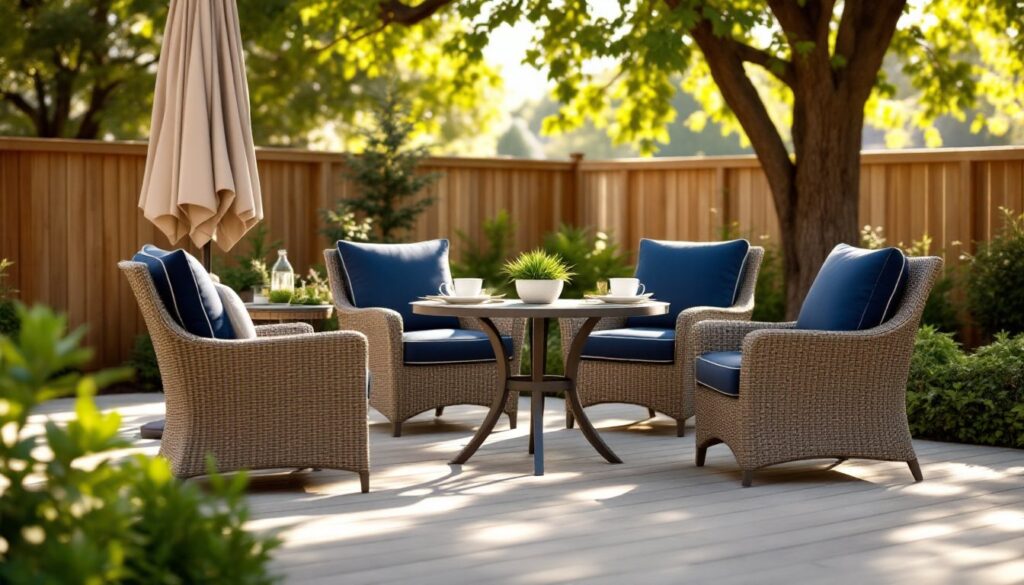
Resin wicker (also called all-weather wicker or synthetic rattan) handles Houston heat well. It’s UV-stabilized polyethylene woven over an aluminum frame. Check the frame construction, cheaper models use hollow tubes that trap water and rust from the inside out. Quality pieces use solid-core aluminum or stainless steel hardware.
Wrought iron looks great but requires maintenance. Powder coating helps, but once it chips, rust spreads fast in humid air. Inspect joints and welds annually and touch up with rust-inhibiting primer and outdoor enamel.
Polywood and HDPE lumber (recycled plastic lumber) won’t rot, splinter, or fade. It’s heavier than wood and costs more upfront, but it’s practically bulletproof. Companies often back it with 20-year warranties.
Avoid: Untreated wood, non-powder-coated steel, low-grade plastics, and any cushion fabric that isn’t labeled solution-dyed acrylic or marine-grade. Regular outdoor fabrics mildew in weeks.
For cushions, look for Sunbrella or equivalent solution-dyed acrylics. The color is embedded in the fiber, not printed on top, so it won’t fade. Pair them with quick-dry foam cores, standard polyurethane foam stays soggy and grows mold.
Top Styles for Houston Outdoor Spaces
Houston backyards vary, from compact townhome patios to sprawling suburban decks, but a few styles dominate.
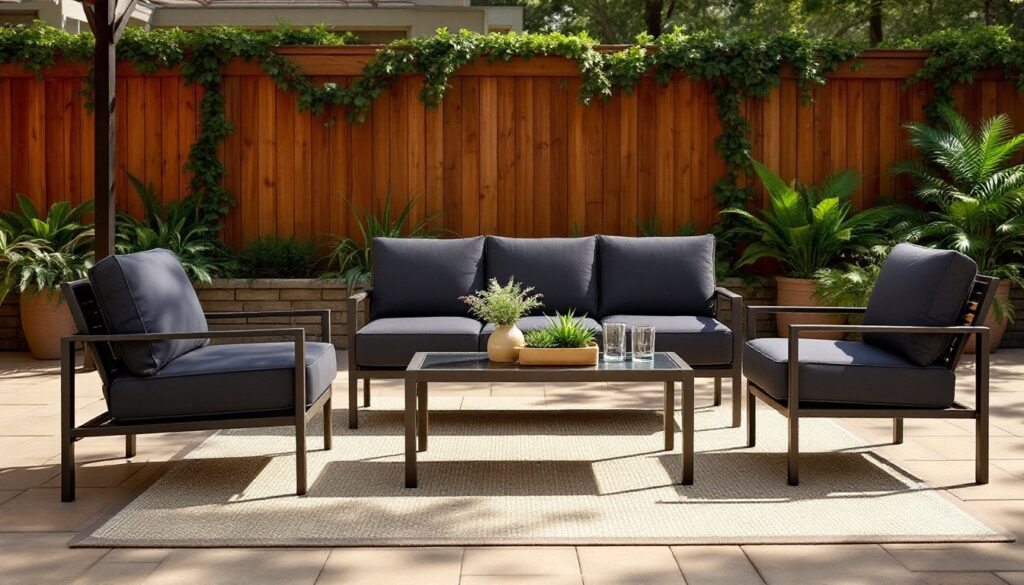
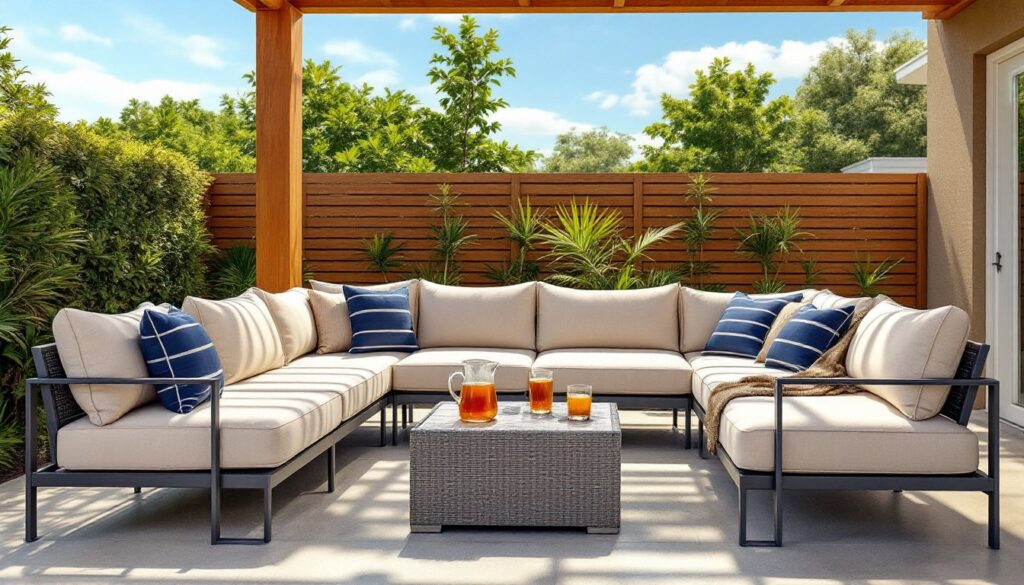
Modern minimalist works well in urban settings. Think clean-lined aluminum frames, neutral tones, and low-profile sectionals. These pieces fit tight spaces and don’t overwhelm small patios. Bonus: fewer crevices mean less dirt and debris buildup.
Coastal casual feels natural in a Gulf Coast city. Resin wicker in white, navy, or gray paired with striped cushions channels beachside living without the kitschy shells-and-starfish vibe. Many Houston homeowners lean into outdoor living ideas that embrace Southern comfort with durability.
Farmhouse rustic uses reclaimed wood (or wood-look polywood) with metal accents. It’s popular in Houston’s outer suburbs and pairs well with covered patios and pergolas. If going with real wood, apply a water-repellent sealant rated for high-humidity climates.
Modular sectionals are the most flexible. Rearrange them for small gatherings or open them up for parties. Look for models with removable covers and stainless steel or brass hardware, plastic clips snap in the heat.
Avoid overstuffed, bulky furniture unless you have a fully covered, screened-in porch. Open-air pieces need airflow to dry out between rains.
Where to Buy Patio Furniture in Houston
Houston has plenty of local options and a few national chains worth checking.
Local favorites include Patio Furniture Plus (multiple locations), Star Furniture’s outdoor showrooms, and Mathis Home. These stores stock pieces designed for Gulf Coast weather and often offer assembly and delivery. Staff know the climate and can steer you toward durable options.
Big-box stores like Home Depot, Lowe’s, and Costco carry budget-friendly sets. Quality varies, inspect frame welds, cushion zippers, and hardware before buying. Spring inventory (March–May) offers the widest selection: fall clearance (September–October) brings deep discounts but limited stock.
Specialty boutiques like Arhaus and Restoration Hardware Outlet (in the Galleria area) carry higher-end lines. Expect to pay more, but warranties and material quality justify the cost if you’re furnishing a large space or want a specific aesthetic.
Local Stores vs. Online Shopping
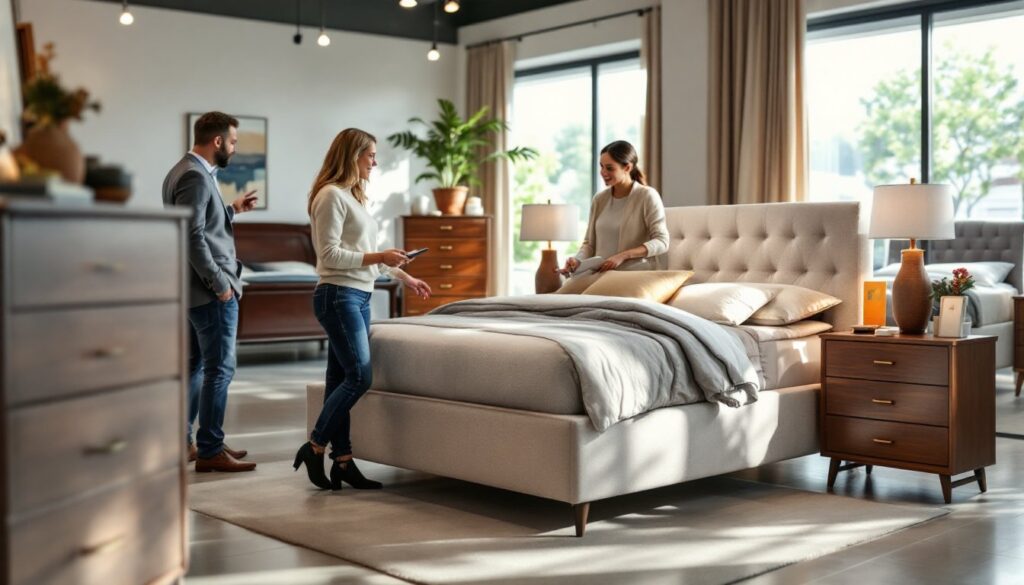
In-store shopping lets you test cushion firmness, check frame stability, and see true colors under natural light. You’ll also avoid surprise shipping fees, outdoor furniture is bulky, and freight costs add up fast.
Online retailers (Wayfair, Overstock, Amazon) offer wider selection and often better prices. Read reviews carefully, focusing on comments about durability and weather resistance. Check return policies, many charge restocking fees or don’t cover return shipping on oversized items.
Hybrid approach: visit showrooms to test styles, then price-compare online. Some local stores will price-match if you bring proof.
For project planning and cost estimates, especially if you’re building a deck or pergola to go with new furniture, get quotes from multiple contractors. Patio installations vary widely in Houston depending on soil type and drainage requirements.
Maintenance Tips for Houston Patio Furniture
Even weather-resistant furniture needs care in Houston’s climate. Here’s how to extend its lifespan.
Monthly cleaning prevents buildup. Hose down frames and cushions, then scrub with a mix of 1/4 cup mild dish soap per gallon of warm water. Use a soft-bristle brush for wicker and textured surfaces. Rinse thoroughly, soap residue attracts dirt.
Cushion care: Remove covers and machine-wash in cold water with mild detergent. Air-dry only, high heat shrinks fabric and warps foam. Between washes, stand cushions on edge after rain to promote airflow. Store them indoors during extended rainy periods or when not in use.
Metal frames: Inspect for chips in powder coating. Touch up immediately with rust-inhibiting primer and matching outdoor paint. Pay extra attention to joints and screw heads, they corrode first. Apply a thin coat of car wax twice a year to sealed metal: it adds a protective layer and makes cleaning easier.
Wood furniture: Clean with a wood-safe cleaner (avoid bleach, it grays teak prematurely). Apply teak oil or marine-grade sealant once a year, preferably in late winter before UV exposure ramps up. Sand rough spots with 120-grit sandpaper before sealing.
Wicker and resin: Vacuum crevices monthly to remove dirt and pollen. Check for loose strands and trim with sharp scissors, don’t pull, or you’ll unravel the weave.
Off-season storage: If you have space, store cushions indoors from November through February. Furniture can stay out, but cover it with breathable outdoor furniture covers. Avoid plastic tarps, they trap moisture and promote mildew. Vent covers regularly to prevent condensation.
Hurricane prep: Houston’s hurricane season (June–November) requires a plan. Lightweight aluminum and resin pieces become projectiles in high winds. Store them in the garage or strap them down with ratchet tie-downs anchored to deck posts or ground stakes.
For outdoor living and garden design that complements your furniture setup, consider drainage and shade. Position seating away from direct roof runoff and add shade sails or pergolas to reduce UV exposure on cushions.
Expect to replace cushions every 3–5 years and frames every 7–10 years with proper care. Cheaper sets may need replacing sooner. Factor replacement costs into your budget when choosing between entry-level and mid-tier options, sometimes spending an extra $200 upfront saves $500 in replacements down the road.