
Table of Contents
ToggleSouthwest Florida homeowners know the drill: outdoor living isn’t a seasonal luxury, it’s a year-round necessity. With Naples’ subtropical climate delivering sunshine 266 days a year and humidity levels that would make a greenhouse jealous, patio furniture needs to pull double duty as both comfortable and bulletproof. Whether it’s a lanai overlooking the Gulf or a screened porch in Old Naples, choosing the right outdoor furniture means understanding what actually survives salt air, afternoon thunderstorms, and UV exposure that can fade cheaper materials in a single season.
Key Takeaways
- Naples’ subtropical climate with 90%+ summer humidity, salt-laden coastal breezes, and intense UV exposure requires patio furniture that can withstand moisture, corrosion, and fading year-round.
- High-density polyethylene (HDPE) wicker over powder-coated aluminum frames and marine-grade aluminum are the top materials for patio furniture in Southwest Florida because they resist rust, rot, and UV damage.
- Solution-dyed acrylic cushions like Sunbrella with quick-dry foam cores are essential for Naples patios, as standard polyester absorbs moisture and develops mildew within weeks in this climate.
- Shade structures, outdoor-rated ceiling fans, and proper drainage features—from furniture feet to rug backing—are critical design elements that make patio furniture in Naples both functional and long-lasting.
- Routine monthly maintenance including soft-brush cleaning, twice-yearly fastener checks with marine-grade lubricants, and proper cushion storage during storms extend furniture longevity in coastal conditions.
Why Naples’ Climate Demands Smart Patio Furniture Choices
Naples sits squarely in USDA Hardiness Zone 10a, which sounds pleasant until you factor in the realities: 90%+ humidity from June through September, salt-laden coastal breezes, and intense UV index ratings that regularly hit 10 or higher. Furniture that works fine in Scottsdale or Charlotte will rot, rust, or fade here within 18 months.
Temperature swings matter less than moisture exposure. Even covered patios deal with condensation, and anything within two miles of the coast faces salt corrosion on metal hardware. The rainy season (May through October) dumps an average of 35 inches of rain, often in violent afternoon storms that drench everything not under solid cover.
If furniture can’t handle being wet one hour and baking in 95°F sun the next, it doesn’t belong on a Naples patio. That eliminates most natural woods (unless you’re committed to annual teak oil treatments), untreated steel, and any fabric marketed as “water-resistant” rather than water-repellent or solution-dyed.
Mold and mildew grow aggressively here. Cushions need to drain and dry quickly, or they’ll develop black spots within weeks. Frames need drainage holes. Even “rust-proof” aluminum can corrode if cheap fasteners trap moisture. Smart choices start with acknowledging that Naples weather is closer to the tropics than the temperate Southeast.
Best Materials for Patio Furniture in Southwest Florida
All-Weather Wicker and Resin
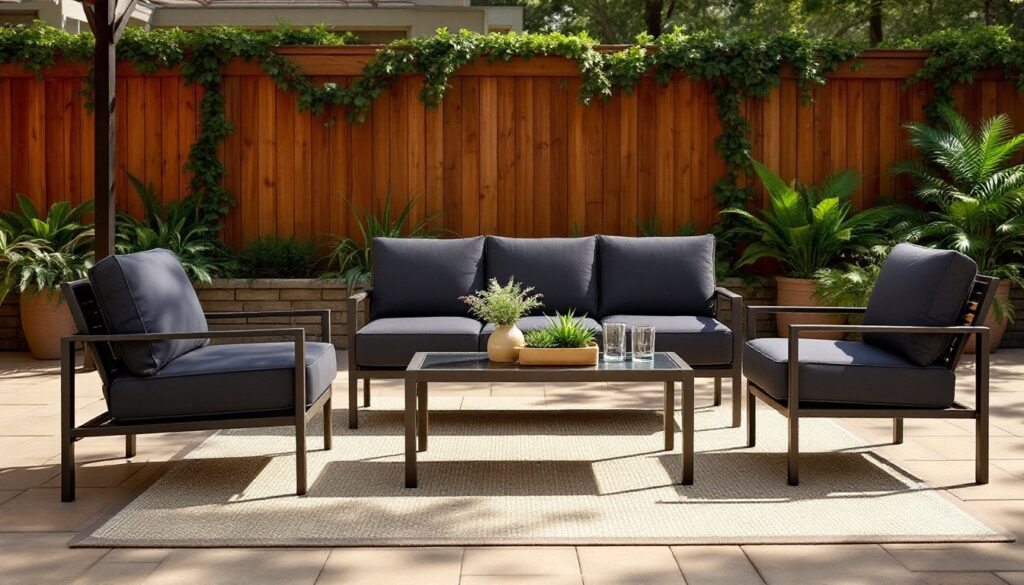
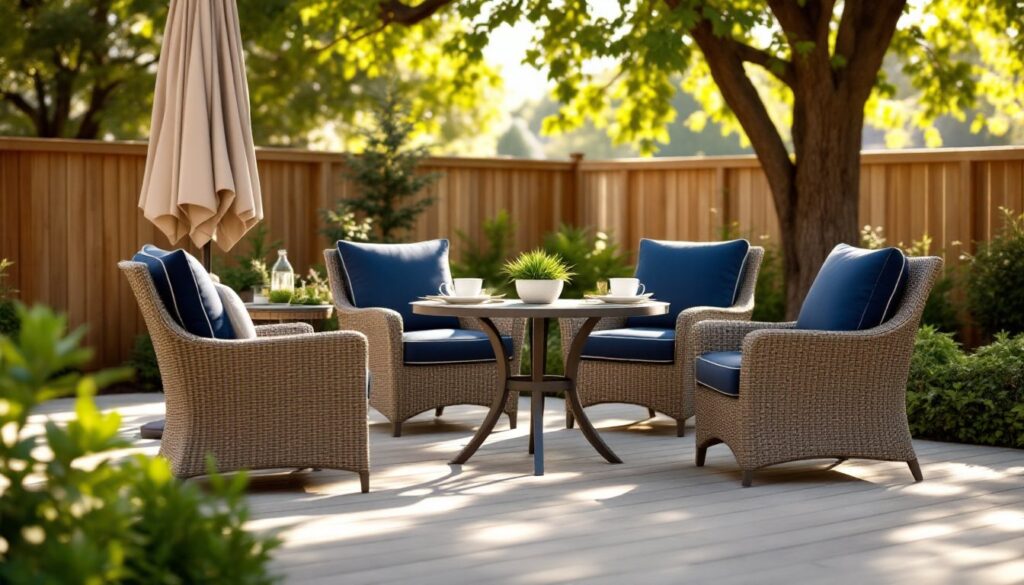
High-density polyethylene (HDPE) wicker is the gold standard for Naples patios. It’s UV-stabilized synthetic resin woven over aluminum or steel frames, designed to mimic natural rattan without the rot. Quality HDPE won’t crack, fade, or unravel, even after years of direct sun exposure.
Look for 8mm or thicker strands: anything thinner feels flimsy and won’t hold up to heavy use. The weave should be tight and consistent, with no visible gaps or rough edges. Cheaper resin furniture uses recycled plastics that become brittle and discolor within a year.
Frames matter as much as the wicker itself. Powder-coated aluminum underneath the resin provides rust resistance without the weight of steel. Avoid frames with exposed welds or thin-gauge tubing, they’ll flex and stress the weave over time.
Cushions should use solution-dyed acrylic fabric (Sunbrella is the benchmark) with quick-dry foam cores. Standard polyester cushions trap moisture and mildew almost immediately in this climate. Zippered covers are a plus for washing, but make sure zippers are rust-proof nylon or brass.
Marine-Grade Aluminum and Powder-Coated Metals
Marine-grade aluminum (often labeled 5000 or 6000 series alloys) resists saltwater corrosion better than anything else in the metal category. It’s lightweight, won’t rust, and handles daily exposure to coastal air without pitting or oxidation. Most high-end commercial patio furniture in beachfront restaurants uses this material for good reason.
Powder-coating adds a baked-on finish that’s far more durable than spray paint. It bonds to the metal at a molecular level and resists chipping, scratching, and UV fading. Quality powder-coating should be applied in multiple layers (primer, color, clear topcoat) and baked at high temperatures. Cheap single-layer finishes start flaking within months.
Avoid wrought iron or untreated steel unless you enjoy scraping rust and repainting annually. Even “rust-resistant” finishes fail quickly in Naples’ humidity. Stainless steel hardware (hinges, bolts, adjustment mechanisms) is non-negotiable, regular steel fasteners corrode and seize up, making furniture impossible to adjust or repair.
Cast aluminum offers more ornate designs than extruded aluminum but weighs significantly more. It’s still corrosion-resistant and durable, though the extra weight makes rearranging furniture a two-person job. For outdoor living spaces that face direct Gulf exposure, marine-grade aluminum is the safer long-term investment.
Top Places to Buy Patio Furniture in Naples
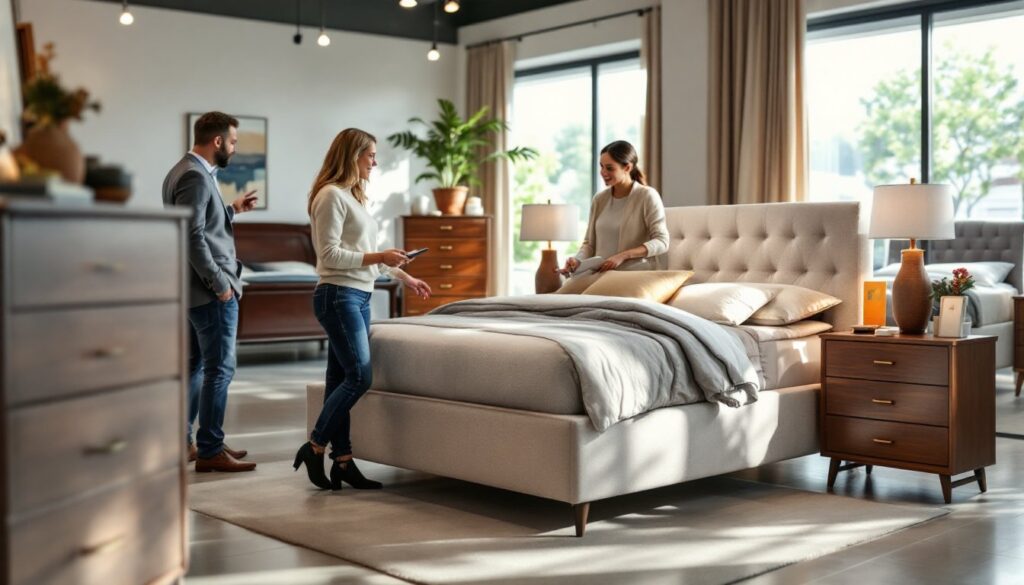
Local showrooms offer the advantage of seeing construction quality firsthand and testing cushion comfort before buying. Patio furniture in Naples ranges from big-box stores on Tamiami Trail to specialty outdoor living shops in design districts.
Arhaus and Room & Board in Waterside Shops carry higher-end lines with good warranties and sustainable sourcing, though prices reflect premium positioning. Expect to pay $3,000–$8,000 for a four-piece seating set with cushions.
HomeGoods and At Home stock budget-friendly options in the $800–$2,000 range for full sets, but material quality varies wildly. Inspect welds, frame thickness, and fabric tags closely, some pieces won’t survive a single rainy season.
Frontgate and Restoration Hardware Outlet (north in Fort Myers) offer high-durability commercial-grade furniture built for hospitality use. These lines typically include 3–5 year warranties and replacement parts availability.
For custom or contract-grade options, several Naples designers work directly with Brown Jordan, Tropitone, and Kingsley Bate, brands that specialize in coastal installations and offer marine-grade construction as standard. Lead times run 8–12 weeks, and costs start around $5,000 for basic seating groups, but longevity is measured in decades rather than years.
Online retailers like Wayfair and Overstock deliver to Naples, but shipping costs for large furniture sets can add $200–$500, and returns are complicated. Without seeing frame construction or testing cushion density, online purchases are riskier in a climate this demanding.
Styling Your Naples Patio: Design Ideas That Work
Naples outdoor spaces tend toward two aesthetics: coastal casual (whites, blues, natural textures) or tropical resort (bold colors, lush plantings, tiki-inspired accents). Both work, but practical considerations should drive design decisions.
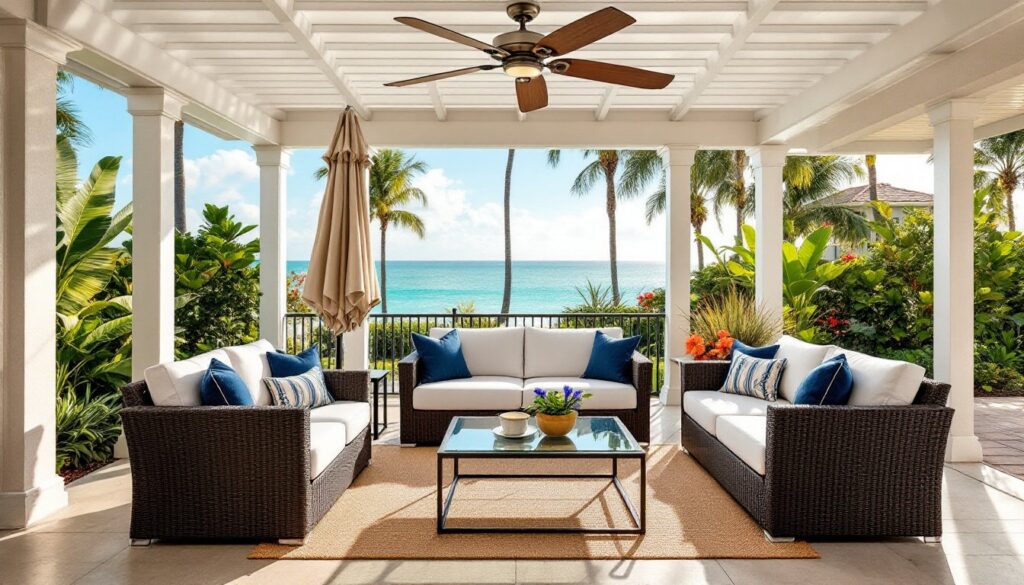
Shade is essential. Even the most comfortable patio furniture naples becomes unusable between 11 a.m. and 4 p.m. without overhead protection. Retractable awnings, pergolas with louvered roofs, or large cantilever umbrellas (9–11 feet) make spaces functional year-round. Umbrellas need heavy bases, at least 75 pounds for anything over 9 feet, or wind will turn them into projectiles during summer storms.
Ceiling fans on covered patios improve comfort dramatically. A 52-inch outdoor-rated fan with a wet/damp UL listing moves air enough to drop the perceived temperature by 8–10°F. Wire it to a wall switch rather than relying on pull chains, which corrode in salt air.
Outdoor rugs define seating areas and add pattern, but they need to be polypropylene or PET (recycled plastic), natural fibers rot in weeks. Rugs should have drainage backing or be elevated slightly: flat rubber-backed rugs trap moisture and breed mold underneath. Hose them off monthly and let them dry completely before replacing.
Lighting shifts patios from daytime-only to evening entertaining. LED string lights (commercial-grade with sealed sockets) add ambiance without the electrical load of traditional incandescents. For task lighting over dining areas, pendant fixtures rated for wet locations work better than standing lamps, which tip in wind or get knocked over.
Many porch and outdoor living ideas from other regions need adaptation for Naples. Heavy drapery fabrics mildew: open-weave outdoor curtains in solution-dyed acrylic work better. Throw pillows in velvet or cotton won’t survive: stick with the same performance fabrics used for cushions.
Maintaining Your Outdoor Furniture in Coastal Conditions
Even the best materials need routine care to hit their longevity potential. Monthly hosing removes salt residue and pollen before they bake onto surfaces. Use a soft brush (not wire) and mild dish soap for stubborn spots, harsh chemicals can damage powder-coating or strip UV protection from resins.
Cushions and fabric should be stored during heavy storms if possible, or at minimum stood on edge to drain. Remove covers and wash them every 8–12 weeks in cold water with mild detergent, no bleach, which degrades UV inhibitors. Let foam cores dry completely in the sun (2–3 hours per side) before reassembling.
Metal furniture benefits from an annual wax coat (automotive paste wax works fine) to protect powder-coating and make cleaning easier. Check fasteners and adjustment points twice a year: apply a marine-grade lubricant like 3-IN-ONE or Boeshield T-9 to prevent corrosion. If you see rust forming around bolts or welds, address it immediately, coastal corrosion accelerates fast once it starts.
Wicker and resin rarely need more than hosing and occasional scrubbing, but inspect the weave annually for cracks or fraying. Small repairs can be made with replacement resin strands and a heat gun: let damage spread, and the entire piece unravels.
Covers help but create their own problems. Vented furniture covers prevent mildew better than sealed tarps, which trap condensation. Covers should fit snugly without pooling water, and they need tie-downs or elastic hems, loose covers flap in wind and abrade finishes. Many Naples homeowners skip covers entirely on screened patios, relying instead on regular cleaning and proper material choices.
For those seeking more DIY improvements on existing furniture, re-sanding and re-oiling teak annually extends its life, though it’s labor-intensive. Replacing worn cushion foam with quick-dry marine foam costs $40–$80 per seat and makes older furniture functional again. Powder-coating can be professionally reapplied for $150–$300 per piece if frames are sound but finishes are failing.