

Table of Contents
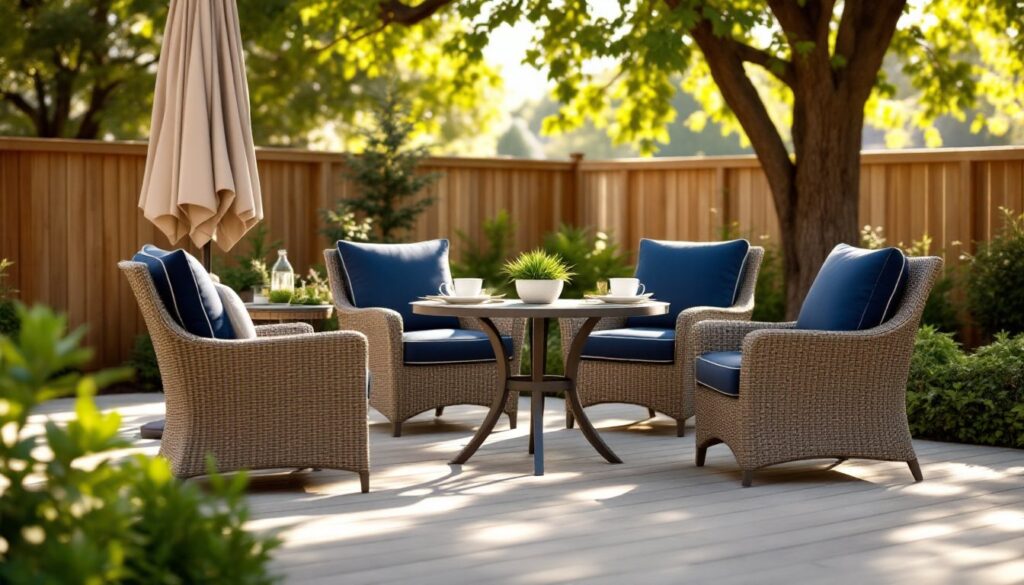
ToggleWoven patio furniture brings texture, warmth, and classic outdoor style to decks, patios, and porches. Unlike solid plastic or metal pieces, woven furniture offers visual interest and a natural aesthetic that works with everything from coastal cottages to modern backyards. But not all woven furniture is created equal, natural materials demand different care than synthetics, and what looks great in a catalog might not survive a harsh winter. This guide walks through the material differences, selection criteria, and maintenance requirements so homeowners can make informed choices that’ll last seasons, not just months.
Key Takeaways
- Woven patio furniture offers superior aesthetics and functionality, with natural ventilation and water drainage that prevents mold while adding visual warmth to outdoor spaces.
- Material choice determines durability: synthetic resin wicker suits full-sun, all-weather exposure with 10-15 year lifespans, while natural wicker works best in covered areas or mild climates.
- Frame construction is critical—welded aluminum and solid hardwood joints with mortise-and-tenon construction significantly outlast bolted or stapled alternatives.
- Tight weaves with 3-4mm (resin) or 5-6mm (natural) strands provide better support and resist sagging compared to loose, decorative weaves.
- Routine maintenance—biweekly rinsing for synthetic options, annual sealant application for natural wicker, and proper cushion storage—extends woven furniture lifespan by years.
- Select woven patio furniture based on your climate and willingness to maintain it; honest assessment of upkeep requirements prevents costly replacement and maximizes longevity.
What Makes Woven Patio Furniture a Popular Choice for Outdoor Spaces
Woven furniture offers a unique combination of aesthetics and functionality that solid-material options can’t match. The interlaced construction creates natural ventilation, water drains through the weave instead of pooling, and air circulates to prevent mildew buildup. This matters in humid climates or covered outdoor spaces where moisture lingers.
The visual texture adds dimension to flat outdoor areas. A woven sofa or dining set breaks up the monotony of concrete patios or wood decking, creating focal points without overwhelming the space. Many designers favor woven pieces for this reason, they photograph well and layer naturally with cushions and textiles.
Weight is another practical advantage. Most woven chairs and tables are lighter than cast aluminum or wrought iron equivalents, making them easier to rearrange for entertaining or move into storage. A standard woven dining chair typically weighs 12-18 pounds, compared to 25+ pounds for metal alternatives.
Durability varies by material, but quality woven furniture can outlast cheap plastic and resist the UV degradation that causes solid resin to crack. The flexibility of woven strands distributes stress better than rigid frames, so pieces flex slightly under load instead of snapping. That said, loose weaves and natural materials require more upkeep than powder-coated steel, tradeoffs exist for every choice.
Types of Woven Materials: Wicker, Rattan, Resin, and Beyond
Natural Wicker and Rattan: Classic Appeal with Maintenance Needs
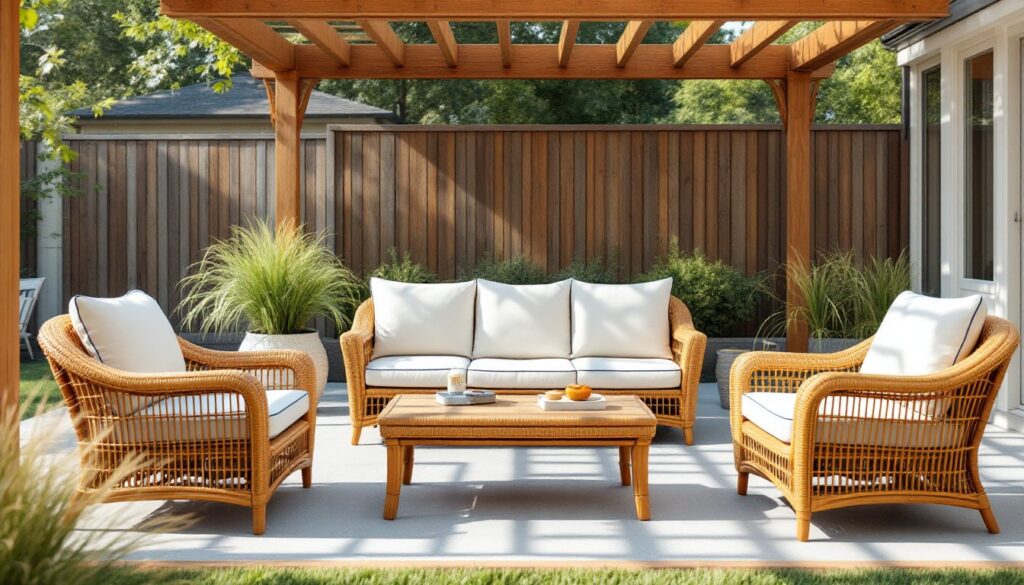
Wicker refers to the weaving technique, not a specific material. Traditional wicker uses natural plant fibers, rattan, willow, bamboo, or seagrass, woven around a frame. Rattan, harvested from tropical palms, is the most common core material. It’s strong, flexible when steamed, and ages to a warm honey or gray patina.
Natural wicker delivers unmatched character. The organic texture and color variations give each piece individuality that synthetics can’t replicate. It’s ideal for covered porches, sunrooms, or mild climates where direct rain exposure is limited.
The downside: natural wicker demands regular care. Moisture causes swelling and cracking, UV rays bleach and weaken fibers, and untreated pieces mildew easily. Plan to apply penetrating outdoor sealant annually and store cushions indoors. Expect a 3-7 year lifespan in full-exposure environments, longer under cover. If frames loosen, tighten joints with wood glue or replace damaged sections, natural materials are repairable with basic tools.
Synthetic Resin Wicker: Durability Meets Weather Resistance
Synthetic wicker (often called all-weather wicker or resin wicker) uses extruded polyethylene (PE) or polyvinyl chloride (PVC) strands woven over aluminum or steel frames. High-density polyethylene (HDPE) is the premium option, it’s UV-stabilized, resists cracking down to -40°F, and won’t absorb water.
Synthetic resin handles full sun, rain, snow, and coastal salt spray without degrading. Quality manufacturers add UV inhibitors during extrusion, so color remains stable for 10-15 years. Frames matter as much as weaving material, look for powder-coated aluminum frames rated for outdoor use. Cheap imports often pair decent resin with thin, rust-prone steel frames that fail first.
Resin wicker comes in uniform colors and textures. Some homeowners appreciate the consistency: others find it lacks the organic warmth of natural materials. Price reflects quality here, budget sets use thin, stiff PVC that feels plasticky and cracks within 2-3 seasons. Mid-to-high-end HDPE wicker has better hand-feel and performs well in outdoor conditions across climates.
Other woven materials include synthetic rope (thick polyester or polypropylene cords) and woven aluminum (flat metal strips). Rope furniture has a nautical vibe and drains well but requires tighter weaves to provide support. Woven aluminum is nearly indestructible but conducts heat, it’ll burn bare skin on hot days.
How to Choose the Right Woven Patio Furniture for Your Home
Start with exposure and climate. If furniture will sit in full sun and rain year-round, synthetic resin is the practical choice. Natural wicker works beautifully on covered porches, screened rooms, or in arid climates where rain is rare. Don’t try to force natural materials into high-exposure settings, you’ll spend more time on maintenance than enjoyment.
Frame construction determines longevity. Inspect joints and connection points. Welded aluminum frames outlast bolted ones. For natural wicker, check that the frame is solid hardwood (not softwood or particleboard) with mortise-and-tenon or doweled joints. Stapled or glued-only construction won’t hold up.
Weave density and strand thickness affect both comfort and durability. Tight weaves with thicker strands (at least 3-4mm for resin, 5-6mm for natural) support weight better and resist sagging. Loose, decorative weaves look elegant but need cushions for comfortable seating, they’re better suited for side tables or accent pieces.
Cushion compatibility matters. Most woven seating requires cushions for comfort. Measure seat depth and back height, then budget for outdoor-rated foam wrapped in solution-dyed acrylic fabric (Sunbrella is the standard). Cheap polyester cushions fade and mildew within a season.
Size and scale should match the space. Oversized sectionals overwhelm small patios: undersized bistro sets look lost on large decks. Measure the area and allow 30-36 inches of clearance around seating for traffic flow. For dining sets, ensure chairs clear the table apron when pushed in, woven armchairs can be wider than they appear.
Consider storage and off-season needs. If furniture must be stored, choose lighter pieces with removable cushions. Synthetic resin can winter outdoors under covers in most climates, but natural wicker should move to a dry garage or shed. Regional design preferences often influence style choices, coastal areas lean toward lighter colors and rope details, while inland spaces favor darker tones.
Caring for and Maintaining Your Woven Outdoor Furniture
Routine cleaning prevents most problems. For synthetic resin, spray down with a garden hose every 2-3 weeks during active use. Scrub with a soft brush and mild dish soap diluted in water for stuck-on pollen, bird droppings, or tree sap. Avoid pressure washers, high-pressure streams can separate weave from frames or strip powder coating.
Natural wicker needs gentler handling. Vacuum with a brush attachment to remove dust and debris from crevices. Wipe with a barely damp cloth, never soak natural fibers. For spot cleaning, use a soft brush with diluted soap, then blot dry immediately. Let pieces air-dry completely before adding cushions or covering.
Protect from UV damage. Even synthetic resin benefits from shade during peak sun hours. Position furniture under umbrellas, pergolas, or awnings when possible. Natural wicker requires outdoor-rated varnish or marine sealant applied annually. Sand lightly between coats if the surface feels rough.
Store cushions properly. Bring cushions indoors during rain and overnight to prevent mildew. Wash removable covers in cold water with mild detergent: air-dry only (heat damages water-repellent coatings). Store cushions in a ventilated space during winter, sealed plastic bins trap moisture and encourage mold.
Winter prep varies by climate and material. In freeze-thaw zones, move natural wicker indoors or to a covered, unheated space. Synthetic resin can stay out with breathable furniture covers, avoid vinyl tarps that trap condensation. Tip chairs upside down or tilt tables to prevent water pooling in weave joints.
Inspect frames and joints seasonally. Tighten loose bolts, touch up scratched powder coating with matching paint to prevent rust, and replace any damaged weave sections before they spread. Small repairs cost little: neglected damage often requires replacing entire pieces.
Don’t drag furniture across rough surfaces. Lift and carry woven pieces to avoid abrading the weave or bending frame legs. Use furniture pads or glides on concrete or composite decking to prevent scratching both the furniture and the deck surface.
Conclusion
Woven patio furniture delivers style and function when matched to the right environment and maintained properly. Synthetic resin offers low-maintenance durability for all-weather exposure, while natural wicker provides organic warmth for protected spaces. Choose based on climate, coverage, and honest assessment of how much upkeep you’ll actually do. Quality frames, tight weaves, and seasonal care extend lifespan significantly, treat woven furniture as an investment, not disposable décor, and it’ll serve for years.